
Tommy Jacobs consoles EyeXcon in a story that unveils the raw and often shocking realities of a seven-year prison sentence. Inside these walls, survival is a mix of strategy, resilience, and human connection. This is a narrative that exposes not only the brutality of confinement but also the unexpected moments of support and guidance that emerge in the darkest corners.
Life Behind Bars
Prison life is a world apart from freedom. Every day is dictated by routines, rules, and hierarchies. From the outside, one may imagine punishment alone, but the reality is far more complex. Inmates must navigate alliances, rivalries, and constant threats to their safety.
-
Daily Schedule: Wake-up at 5 AM, labor assignments, limited recreational time, and a strict lockdown at night.
-
Social Dynamics: Friendships are formed cautiously, and trust is a scarce commodity.
Typical Prison Day Routine
──────────────────────────────────────────
TYPICAL PRISON DAY ROUTINE
──────────────────────────────────────────
🕔 5:00 AM — Wake-Up
• Morning count and cell check.
🕕 6:00 AM — Breakfast
• Basic meal served in dining hall.
🕖 7:00 AM — Work Assignments
• Kitchen duty, laundry, maintenance, factory work.
🕛 12:00 PM — Lunch
• Midday meal and short break.
🕐 1:00 PM — Education / Workshops
• Classes, vocational training, therapy programs.
🕔 5:00 PM — Recreation
• Yard time, sports, library, TV.
🕘 9:00 PM — Lockdown
• Return to cells, final count, lights out.
──────────────────────────────────────────
Surviving the Brutality
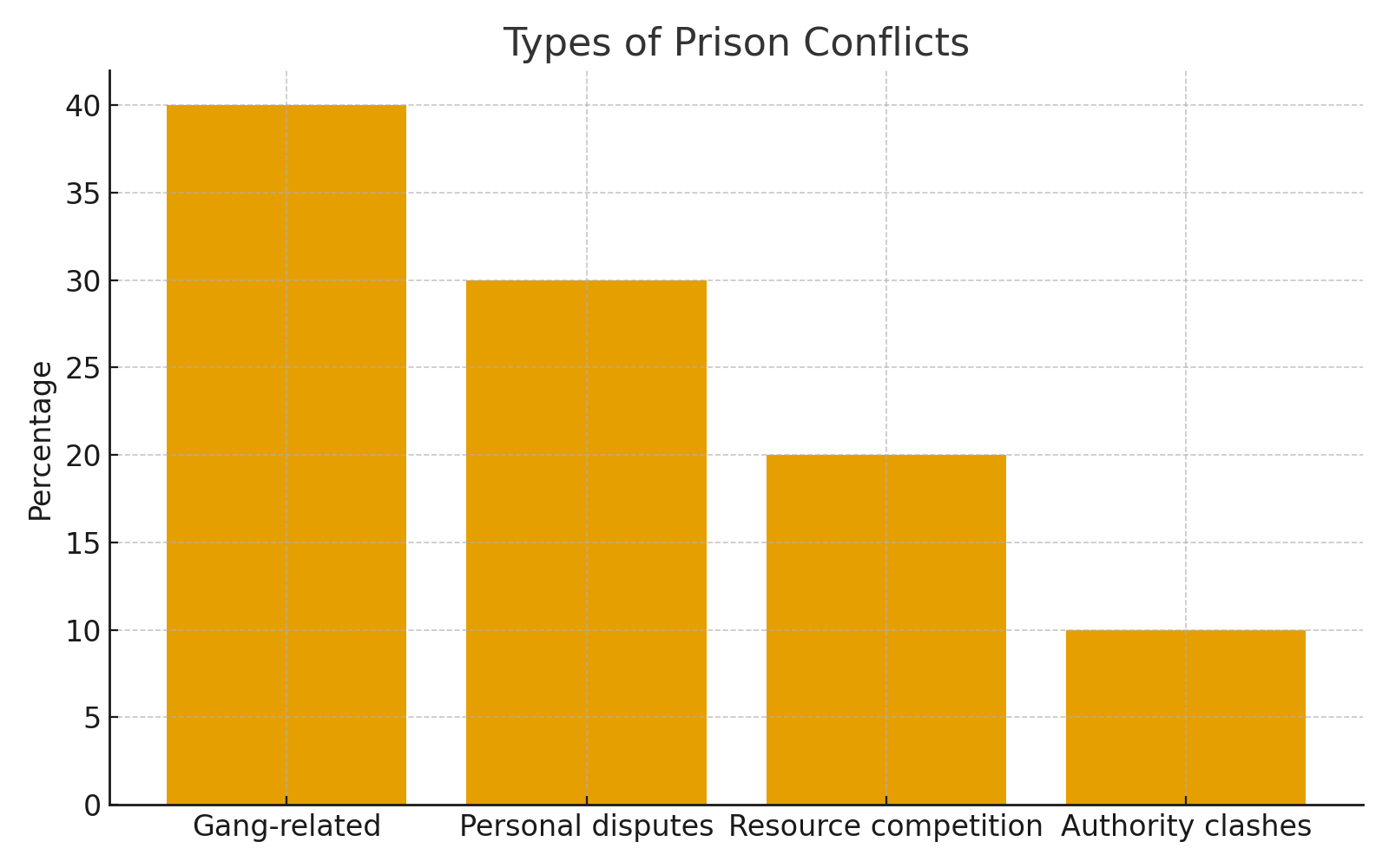
The harshest part of prison isn’t just physical confinement; it’s the mental and emotional toll. Inmates face threats from gangs, unpredictable violence, and the constant fear of betrayal. Survival requires vigilance and adaptation.
Real Example:
One inmate described how staying in the corner and avoiding eye contact could prevent a potential confrontation. This tactic, seemingly small, could mean the difference between safety and harm.
Finding Connection
Even in a world defined by danger, human connection emerges as a critical lifeline. Tommy Jacobs consoles EyeXcon through his experience, offering emotional support and guidance. These interactions are rare yet deeply impactful.
Quote:
“Even in the darkest cells, a conversation can light a path.” – Former inmate
Support often comes in small gestures: sharing advice, offering a listening ear, or providing encouragement to navigate tense situations. This mentorship, as seen in Tommy Jacobs Consoles EyeXcon’s case, can dramatically influence an inmate’s mental resilience.
Coping Mechanisms
Mental strength is as vital as physical strength. Inmates adopt various coping strategies to survive prolonged confinement:
-
Routine Creation: Maintaining a strict daily routine reduces stress and provides structure.
-
Education and Skill Development: Learning new skills or completing courses helps in rehabilitation.
-
Exercise: Physical activity serves as a release and keeps morale higher.
Top 5 Coping Mechanisms in Prison
───────────────────────────────────────────────
TOP 5 COPING MECHANISMS
IN PRISON
───────────────────────────────────────────────
1️⃣ Routine & Structure
• Daily schedules that create stability and predictability.
2️⃣ Mental Exercises
• Reading, journaling, puzzles, mindfulness.
3️⃣ Physical Training
• Workouts, cardio, stretching to reduce stress.
4️⃣ Social Interaction
• Support from cellmates, group programs, conversations.
5️⃣ Hobbies & Skills
• Art, writing, music, crafting, or learning new trades.
───────────────────────────────────────────────
The Weight of Isolation
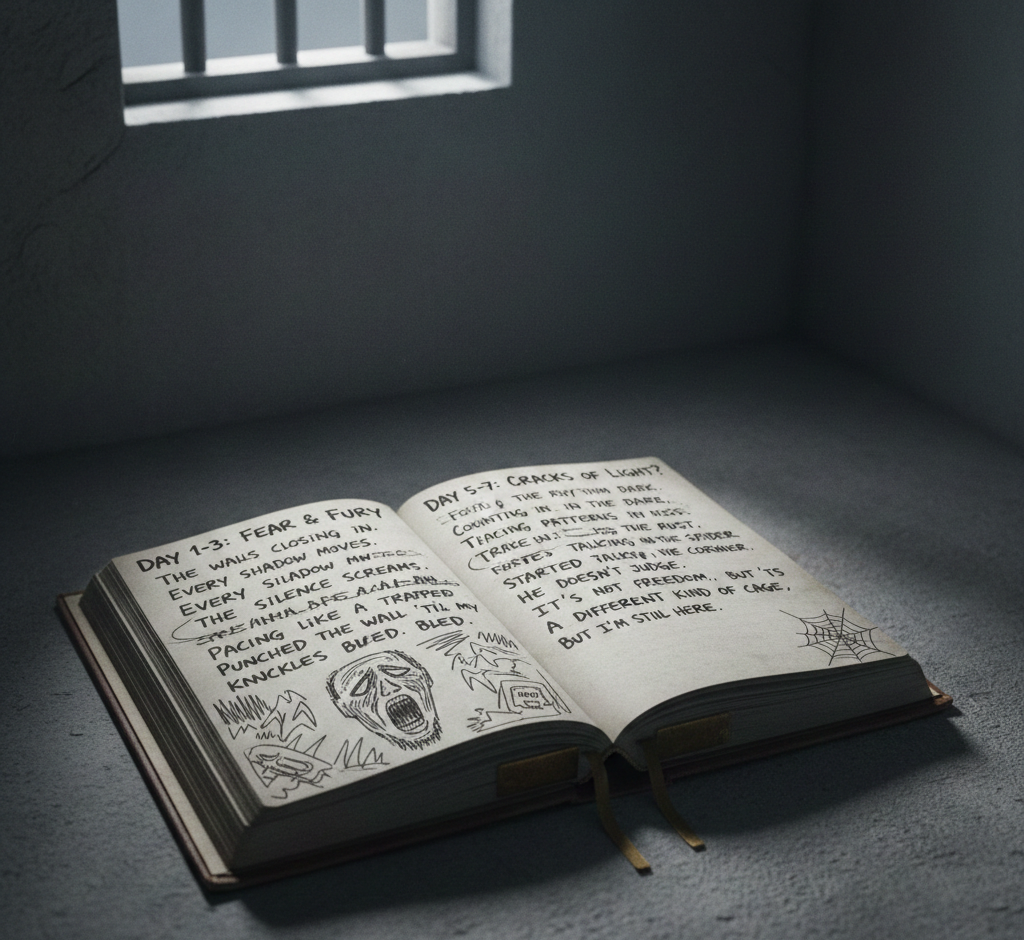
Isolation is one of the most challenging aspects of long-term imprisonment. Solitary confinement can cause psychological distress, hallucinations, and depression. Tommy Jacobs consoles EyeXcon by helping him understand the mental landscape and techniques to manage these effects.
Lessons in Resilience
Prison is a harsh teacher, but its lessons are unforgettable. Resilience becomes a daily practice, and inmates learn to adapt to unpredictability.
Real Example:
An inmate learned to manage anger and avoid unnecessary conflicts by observing patterns in prison behavior. This awareness, combined with guidance from seasoned prisoners like Tommy Jacobs Consoles EyeXcon, often defines who survives and who succumbs to despair.
Hidden Networks of Support
Contrary to popular belief, prison is not devoid of kindness. Support systems, often hidden from the authorities, play a critical role in survival. Inmates like Tommy Jacobs Consoles EyeXcon become mentors, advisors, and companions in ways that defy the harsh environment.
Quote:
“Sometimes the only thing standing between you and chaos is the advice of someone who’s been there.”
Tommy Jacobs Consoles EyeXcon’s interactions with EyeXcon exemplify how experience and empathy can help navigate institutional brutality. His guidance includes practical advice, emotional reassurance, and strategies to stay safe.
Daily Battles
Life behind bars involves constant small battles, both external and internal. These include conflicts over resources, territorial disputes, and maintaining mental clarity. Each day can present multiple challenges, testing patience and resilience.
Real Example:
EyeXcon recalls a moment where a minor misunderstanding with another inmate could have escalated to violence. Tommy Jacobs Consoles EyeXcon’s intervention and advice diffused the situation, demonstrating the importance of mentorship in prison.
Mental Health Challenges
The psychological impact of prison is profound. Anxiety, depression, and PTSD are common among inmates. Without support, these conditions can worsen, leading to dangerous behaviors or emotional breakdowns.
Prison Mental Health Statistics
──────────────────────────────────────────────
PRISON MENTAL HEALTH STATISTICS
──────────────────────────────────────────────
📊 50% — Suffer from Anxiety
• High stress due to environment, uncertainty, and isolation.
📊 40% — Experience Depression
• Linked to confinement, loss of freedom, and limited support.
📊 30% — Exhibit PTSD Symptoms
• Often related to past trauma or violence inside/off prison.
📊 20% — Attempt Self-Harm
• Indicates severe emotional distress and lack of coping mechanisms.
──────────────────────────────────────────────
Tommy Jacobs consoles EyeXcon by encouraging journaling, meditation, and open communication about fears. Such guidance significantly reduces mental strain.
Personal Transformation
Despite the harshness, prison can lead to transformation. Many inmates develop skills, discover inner strengths, and reshape their perspectives. This is where mentorship plays a pivotal role.
Quote:
“Survival isn’t just living—it’s learning who you truly are.” – Tommy Jacobs
For EyeXcon, the seven-year sentence becomes a journey of adaptation and self-discovery, guided by the wisdom shared by those who endured before him.
Preparing for Life After Prison
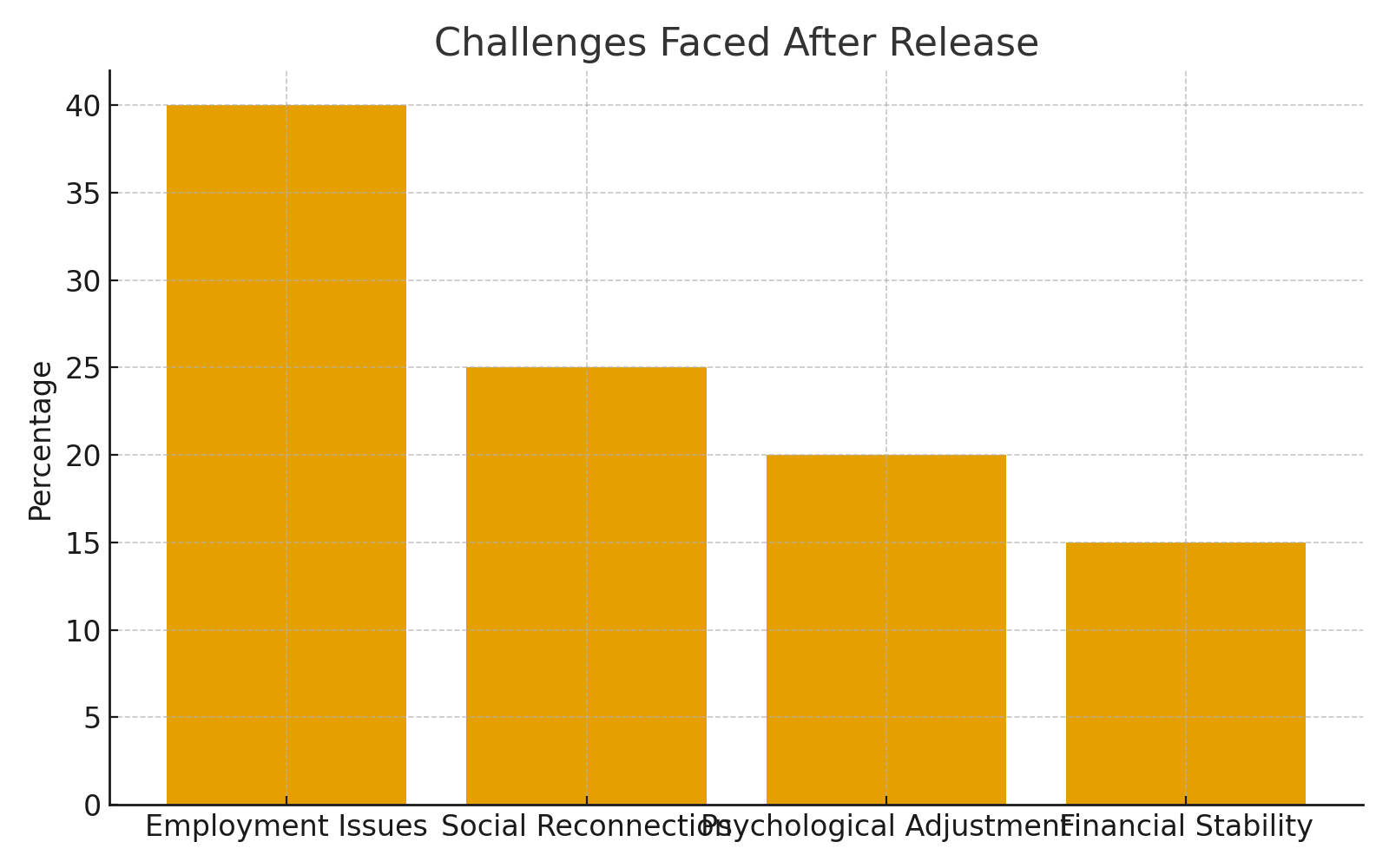
Reentry into society is challenging. Inmates must reintegrate with families, find employment, and avoid falling into old patterns. Tommy Jacobs consoles EyeXcon by preparing him for these challenges, highlighting the importance of planning and skill-building.

Quotes and Insights
-
“In a place where everyone fights for survival, kindness becomes a revolutionary act.”
-
“Mentorship behind bars can change a life more than any program.”
Tommy Jacobs consoles EyeXcon by demonstrating that compassion and strategy can coexist, creating a path through seemingly impossible circumstances.
FAQs
Q1: How did Tommy Jacobs console EyeXcon during prison?
He offered guidance, emotional support, and practical advice to navigate daily challenges.
Q2: Can prison mentorship truly change an inmate’s experience?
Yes. Experienced inmates like Tommy Jacobs Consoles EyeXcon provide strategies that reduce conflict, enhance safety, and support mental health.
Q3: What are the key survival skills in prison?
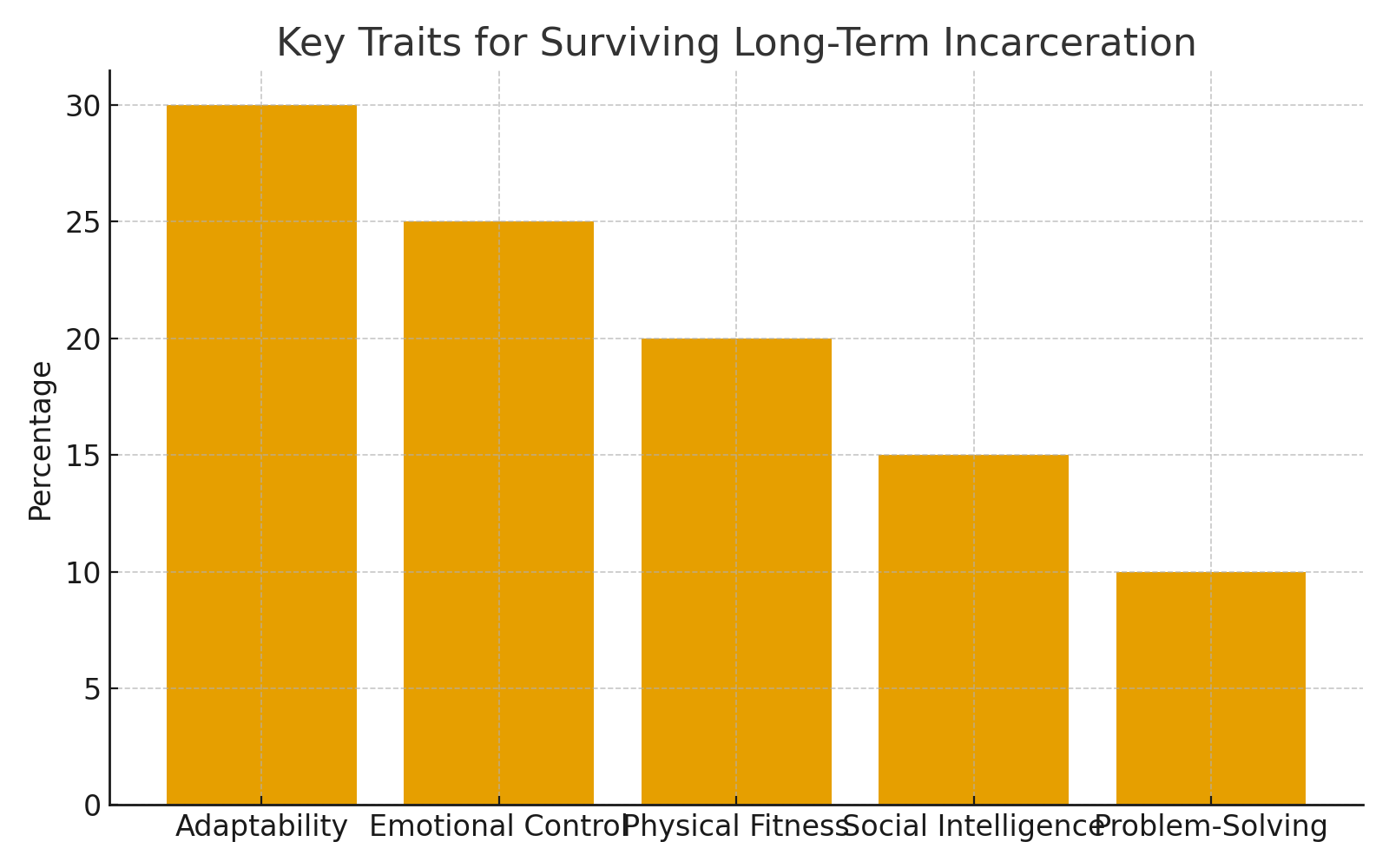
Adaptability, emotional control, physical fitness, social intelligence, and problem-solving.
Q4: How does mental health get affected during long-term incarceration?
Anxiety, depression, PTSD, and feelings of isolation are common without support systems.
Q5: Can lessons learned in prison help after release?
Absolutely. Skills, resilience, and mentorship experience aid reintegration and personal growth.

