
Social media marketing is transforming how local businesses connect with customers in 2026. With rapid advancements in technology, platforms are prioritizing authentic, localized interactions. This shift offers unprecedented opportunities for small shops and services to thrive.
Business owners must adapt to these changes quickly. Ignoring them could mean falling behind competitors who embrace innovation. The key lies in strategies that blend creativity with data-driven insights.
Embracing AI for Content Creation
Artificial intelligence is revolutionizing content production for local enterprises. Tools now generate personalized posts, captions, and even visuals tailored to specific audiences. This efficiency allows owners to focus on core operations while maintaining a strong online presence.
For instance, a neighborhood bakery in Miami uses AI to craft daily specials announcements. These automated yet customized messages have boosted their engagement by 40%. As one expert notes, “AI-generated content will become mainstream,” highlighting its inevitability.
Implementing AI starts with simple integrations like chatbots for customer queries. Local gyms are seeing quicker responses leading to higher retention rates. The result is a more dynamic feed that resonates with community members.
Dominating with Short-Form Video
Short-form videos continue to dominate platforms like TikTok and Instagram Reels. These quick clips capture attention spans that average just eight seconds. Local businesses can showcase products, behind-the-scenes, or tips in bite-sized formats.
A Raleigh cleaning company posted daily videos titled “Post-construction clean – Raleigh NC.” This hyper-local approach led to inbound leads after consistent 60-day posting. Their strategy proves that repetition with location tags builds organic visibility.
Videos foster authenticity, making brands relatable. Cafes filming baristas at work draw in foot traffic from curious viewers. The trend emphasizes fun, relatable content over polished ads.
Personalization Through Data Insights
Personalization is no longer optional; 71% of consumers expect tailored interactions from brands. Using platform analytics, local shops can segment audiences based on preferences and behaviors. This leads to targeted campaigns that feel genuine.
A plumbing service in Atlanta personalizes offers via Instagram stories. By analyzing past engagements, they send discounts to repeat customers, increasing loyalty. “AI and personalization form the crux of modern customer engagement,” as stated in recent analyses.
Start by reviewing follower demographics. Tailor posts to local events or weather, like promoting rain gear during storms. This builds trust and encourages shares within communities.
Collaborating with Micro-Influencers
Micro-influencers with 10,000-50,000 followers offer authentic endorsements for local markets. Their niche audiences align closely with business demographics. Partnerships here yield higher conversion rates than celebrity deals.
A family-run restaurant in Seattle teamed up with a local food blogger. The influencer’s review series drove a 25% sales spike over a month. “Micro-influencer collaborations are more effective than ever,” experts affirm.
Choose influencers embedded in your community. Offer free trials or co-created content for mutual benefit. Track results through unique promo codes to measure impact.
Hyper-Local Content Strategies
Hyper-local content focuses on neighborhood-specific topics, events, and issues. This approach positions businesses as community pillars. Platforms reward such relevance with better algorithm placement.
An interior design firm created city-specific guides on home decor trends. This content ranked high in local searches, generating $430K in revenue growth. Their playbook includes consistent location mentions in posts.
Incorporate local landmarks or events in visuals. A bookstore hosting author readings shares live updates, drawing in nearby residents. This fosters a sense of belonging and encourages visits.
Building Community Through Engagement
Community building turns followers into advocates. Encourage user-generated content like reviews or tagged photos. Respond promptly to comments to nurture relationships.
A gym in Scottsdale runs weekly challenges where members share progress. This interactive approach has grown their following organically. “Connectioneering: Bring people together,” captures this trend’s essence.
Host virtual Q&A sessions or polls on local topics. Reward active participants with shoutouts or discounts. Strong communities amplify reach through word-of-mouth.

Integrating Multi-Sensory Experiences
Multi-sensory posts engage more than just sight, incorporating sound and interactivity. AR filters or audio clips enhance user immersion. Local businesses can use these for virtual try-ons or soundscapes.
A boutique in Paris employs AR for outfit previews on Instagram. Customers interact virtually, leading to higher online sales. “All the Feels: Engage all the senses,” describes this innovative shift.
Experiment with platform features like Reels music or Stories stickers. A coffee shop shares brewing sounds with recipe overlays, enticing sensory appeal. This differentiates from static content.
Real-World Example: Bakery Boost
Consider Sweet Delights Bakery in Chicago. They adopted AI for post scheduling and video creation. Short clips of fresh bakes went viral locally, increasing foot traffic by 35%.
Owner Maria Lopez shares, “Social media marketing changed our game by connecting us directly with neighbors.” Their personalized DM responses built lasting customer bonds. Metrics showed a 50% rise in repeat visits.
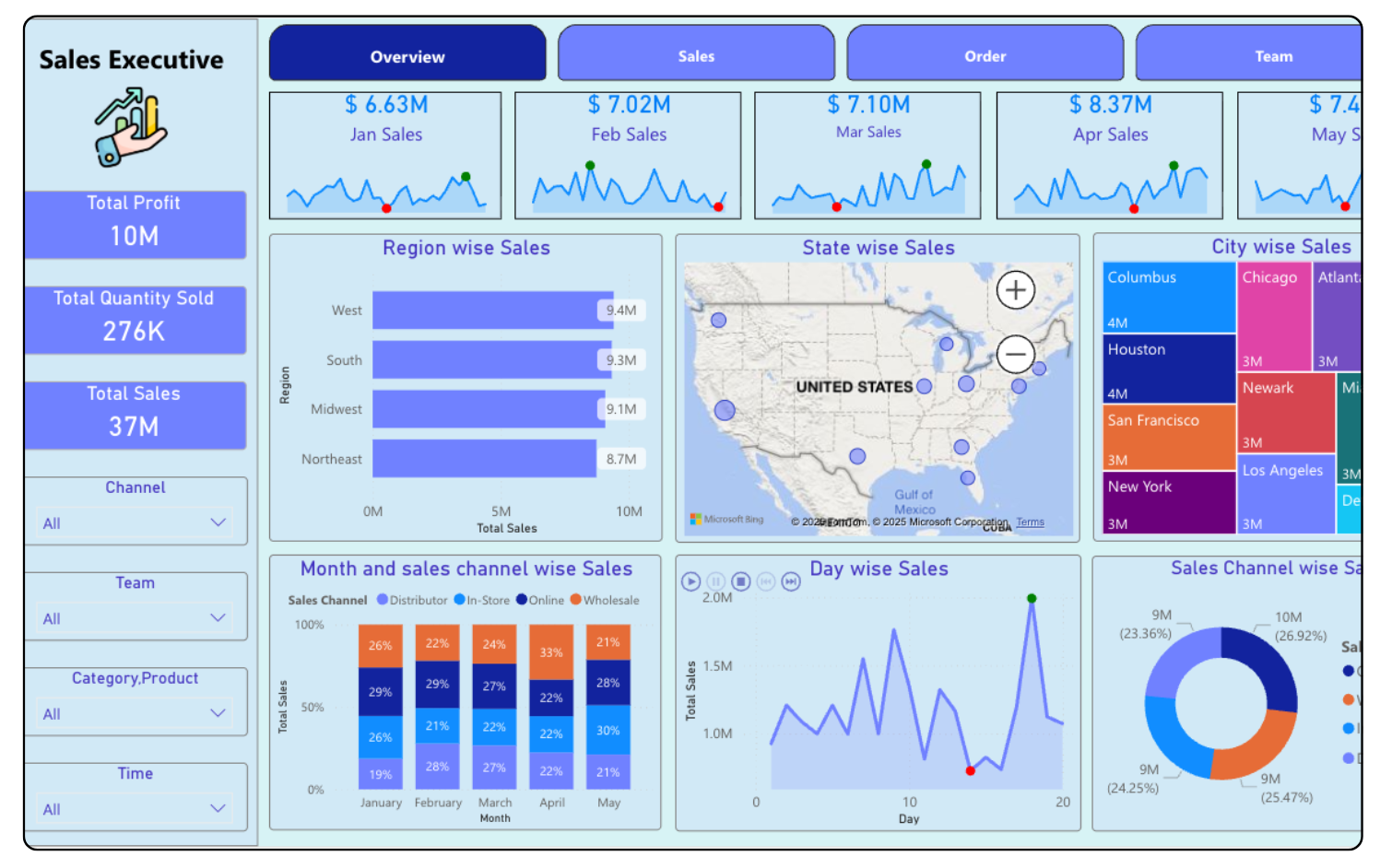
They collaborated with a local mom blogger for holiday specials. The campaign’s success is evident in their dashboard analytics, showcasing peak engagements.
Quote from Industry Leader
Digital marketer Drew Harden emphasizes organic strategies. “Organic Social Strategies: A great way to show your authenticity to your audience,” he advises. This aligns with 2026’s focus on genuine connections.
Harden’s webinar insights help businesses like plumbing firms optimize for AI searches. Implementing these yields measurable growth in visibility.
Example: Gym Transformation
FitHub Gym in Denver focused on hyper-local videos. Posting neighborhood workout spots, they gained 5,000 followers in months. Engagement metrics soared, with classes filling up faster.
Trainer Alex notes, “Social media marketing allows us to personalize fitness tips for our community.” Their micro-influencer tie-ups with local athletes amplified reach.
Analytics graphs reveal steady engagement climbs, validating the strategy.
Navigating Challenges
Budget constraints often hinder small businesses. Start small with free tools and organic growth. Consistency trumps high spends in social media marketing.
Privacy concerns rise with personalization. Always comply with regulations like GDPR. Transparent data use builds trust.
Algorithm changes demand agility. Monitor trends and adjust tactics quarterly.
Measuring Success
Track key metrics like reach, engagement, and conversions. Use built-in analytics for insights. Set benchmarks based on past performance.
For example, aim for 10% monthly growth in interactions. Tools like dashboards help visualize progress.
Celebrate wins, like a viral post, to motivate teams.
Scaling Up
Once basics are mastered, scale with paid boosts. Target local demographics for ads. A/B test creatives for optimal results.
Integrate with email marketing for cross-channel synergy. This amplifies overall impact.
Expand to new platforms as Social Media Marketing emerge in 2026.
Community Impact
Social media marketing empowers local economies. Businesses supporting charities gain positive exposure. Share stories of community involvement.
A bookstore’s reading programs went viral, boosting sales and goodwill. Such initiatives create loyal advocates.
Future-Proofing Your Approach
Stay educated on emerging tech like VR integrations. Attend webinars or join forums for updates.
Adapt to consumer shifts towards sustainability. Highlight eco-friendly practices in posts.
Proactive evolution ensures long-term success.
Example: Restaurant Revival
Bella Italia in New York used serialized content for menu reveals. Weekly episodes built anticipation, increasing reservations by 30%.
Chef Antonio says, “Serialized content will earn audiences’ attention.” Their strategy mirrors 2026 trends.
Dashboard screenshots show campaign peaks during reveals.
Quote on Video Power
“Short-form video remains a cornerstone of engagement,” from marketing reports. This holds true for local eateries filming quick recipes.
Videos humanize brands, fostering emotional connections.
Integrating Reviews
Encourage reviews through Social Media Marketing prompts. Feature positive ones in stories. This Social Media Marketing proof drives trust.
A salon in LA saw bookings rise after sharing client testimonials. Respond to all feedback promptly.
Leveraging Hashtags
Create branded local hashtags for campaigns. Encourage user participation for wider reach.
#LocalEatsMiami trended for a food truck, attracting tourists. Strategic use amplifies visibility.
Cross-Promotions
Partner with nearby businesses for joint posts. A spa and cafe combo offered bundled deals via shared content.
This mutual promotion expands audiences cost-effectively.
Content Calendar Essentials
Plan posts around holidays and local events. Consistency maintains momentum.
Use tools for scheduling to avoid gaps.
Audience Segmentation
Divide followers by interests for targeted content. Sports fans get event tie-ins, families receive kid-friendly tips.
This refines social media marketing effectiveness.
Crisis Management
Prepare for negative feedback with response templates. Turn issues into opportunities for improvement.
Transparency during mishaps retains loyalty.
Employee Advocacy
Train staff to share brand content personally. This extends reach organically.
A retail store’s team posts styled outfits, boosting sales.
Visual Storytelling
Prioritize high-quality images and graphics. Tell stories through carousels.
A florist’s arrangement series engaged followers deeply.
Analytics Deep Dive
Beyond basics, analyze sentiment in comments. Adjust tone based on feedback.
Tools reveal peak posting times for maximum impact.
Budget Allocation
Allocate 20% of marketing to Social Media Marketing experiments. Test new features like live shopping.
ROI tracking justifies investments.
Sustainability Focus
Highlight green initiatives in posts. Eco-conscious consumers respond positively.
A grocery store’s zero-waste tips gained shares.
Inclusivity in Content
Represent diverse community members in visuals. This broadens appeal.
Inclusive campaigns foster stronger bonds.
Tech Integration
Use AR for interactive ads. Virtual tours for stores engage remotely.
This innovation sets businesses apart.
Partnership Expansion
Beyond influencers, collaborate with local artists. Co-create content for unique appeal.
A gallery’s joint exhibits trended online.
Performance Reviews
Quarterly assess strategies. Pivot based on data.
Continuous improvement is key in social media marketing.
Growth Mindset
View platforms as relationship tools, not just sales channels. Authentic interactions yield long-term gains.
Embrace learning from failures.
Global Local Balance
While hyper-local, draw inspiration from global trends. Adapt them to community needs.
This keeps content fresh.
Final Thoughts
Social media marketing in 2026 rewards innovative, community-focused approaches. Local businesses adopting Social Media Marketing wins position for success. Commitment to evolution ensures thriving amid changes.
The seven strategies outlined provide a roadmap. Implement gradually for sustainable growth.
Real examples demonstrate tangible benefits.
FAQs
What is the top trend in social media marketing for 2026?
AI integration for content and personalization leads the way. It streamlines operations while enhancing user experiences.
How can local businesses start with video content?
Begin with simple smartphone recordings of daily operations. Focus on short, engaging clips with local references.
Why are micro-influencers better for small businesses?
They offer authentic, targeted reach at lower costs. Their followers trust recommendations more.
How often should businesses post on Social Media Marketing?
Aim for 3-5 times weekly. Consistency matters more than volume.
What metrics indicate Social Media Marketing success?
Track engagement rates, conversions, and reach. Use dashboards for comprehensive views.
Can AI replace human creativity in Social Media Marketing?
AI aids efficiency but human touch ensures authenticity. Blend both for best results.
How to handle negative comments online?
Respond calmly and professionally. Offer solutions to turn detractors into advocates.
What budget is needed for social media marketing?
Start with zero for organic strategies. Scale to paid ads as needed, beginning small.
Are there free tools for analytics?
Yes, platform-built insights like Instagram Analytics suffice initially.
How to choose the right Social Media Marketing platforms for local business?
Select based on audience demographics. Instagram and Facebook suit most locals.

