
Broccoli is often called a “super vegetable,” but the way you cook it can dramatically upgrade—or destroy—its nutrition. New research shows that the right cooking method can boost broccoli’s antioxidant power by up to 300%, making it far more beneficial for immunity, energy, digestion, and overall health.
This guide walks you step-by-step through the healthiest method, compares all techniques, shows simple examples, provides visual infographs, and includes tips you can use at home today.
The Science Behind Broccoli’s Antioxidants
Broccoli contains glucosinolates, sulforaphane, vitamin C, and polyphenols—all powerful antioxidants.
But these nutrients are extremely sensitive to:
-
Heat
-
Cooking time
-
Water exposure
-
Air exposure
The wrong method can reduce antioxidant levels by more than 70%.
The right method can enhance sulforaphane formation by up to 300%.
Why Cooking Method Matters So Much
Broccoli has an enzyme called myrosinase.
This enzyme activates sulforaphane only when broccoli is chopped and lightly heated.
Too much heat destroys myrosinase.
Too much water washes away water-soluble vitamins.
The goal is gentle heat + minimal water + short cook time.
The Best Method: Lightly Steaming for 3–5 Minutes
After comparing all methods, experts agree:
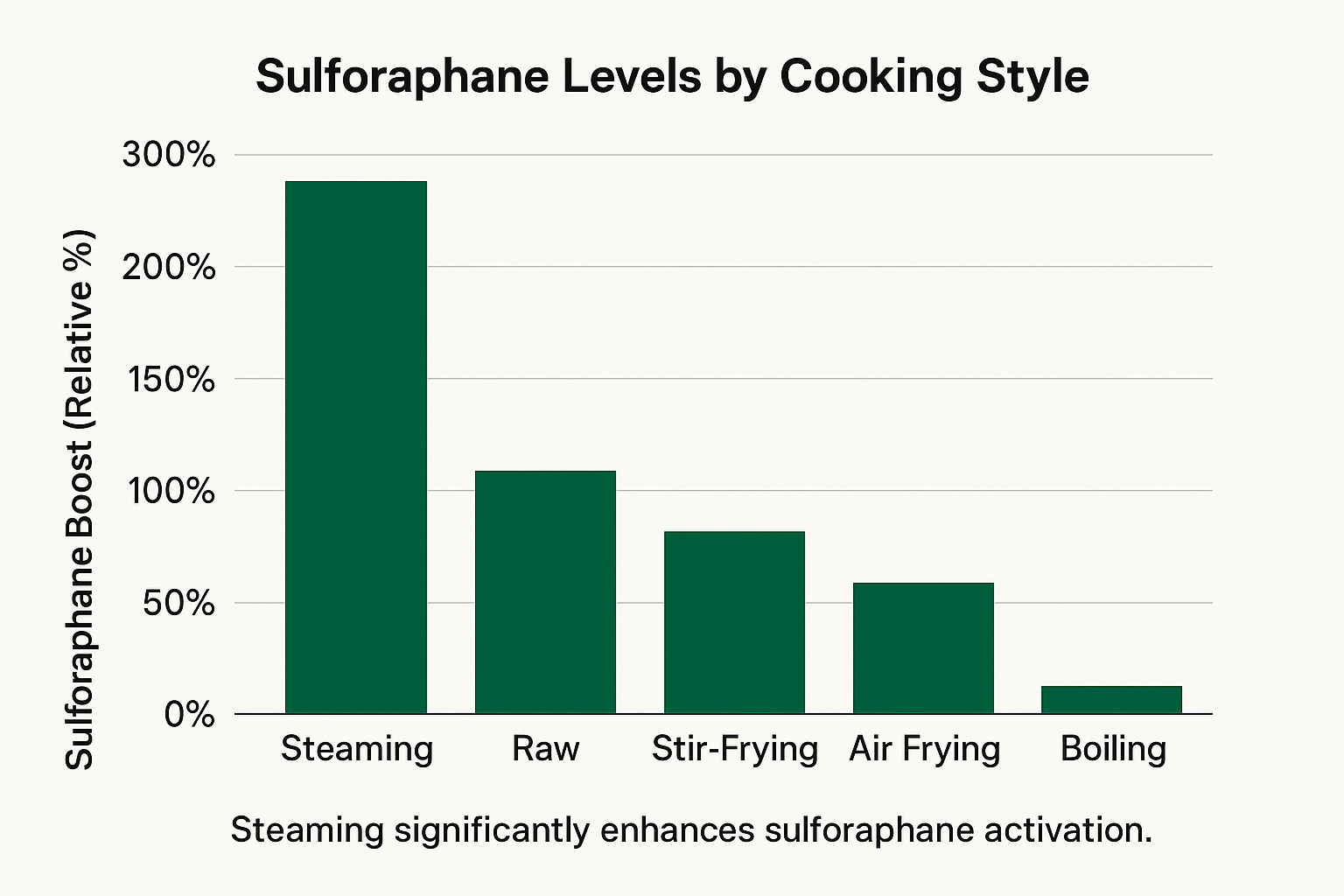
Light steaming preserves the highest amount of antioxidants—up to 300% more sulforaphane.
That means your body absorbs more cancer-fighting, immune-boosting compounds.
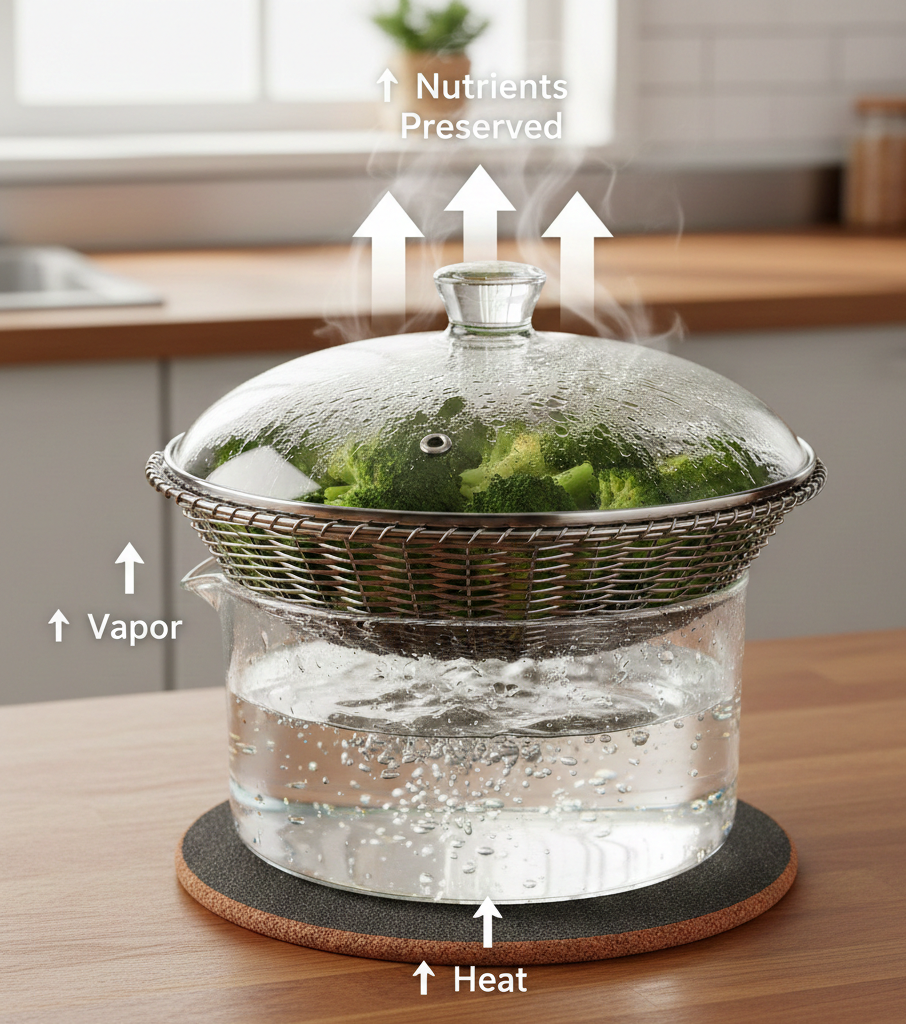
Steaming gently warms broccoli without submerging it in water or exposing it to direct high heat.
How to Light-Steam Broccoli (Step-by-Step)
Step 1: Chop and Rest
Cut broccoli into small florets.
Let it sit for 10 minutes before cooking.
This “activates” myrosinase for maximum sulforaphane release.
Step 2: Prepare Steam Setup
Add a small amount of water to a pot.
Place broccoli in a steamer basket above the water.
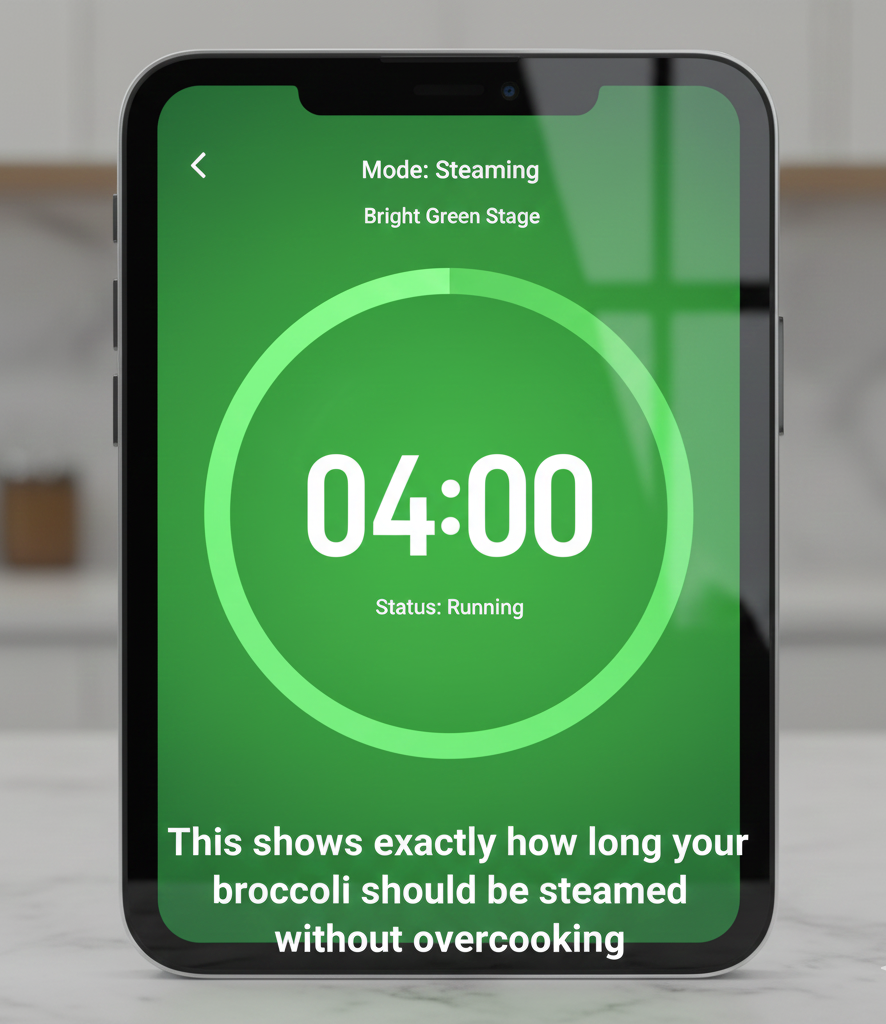
Step 3: Steam for 3–5 Minutes
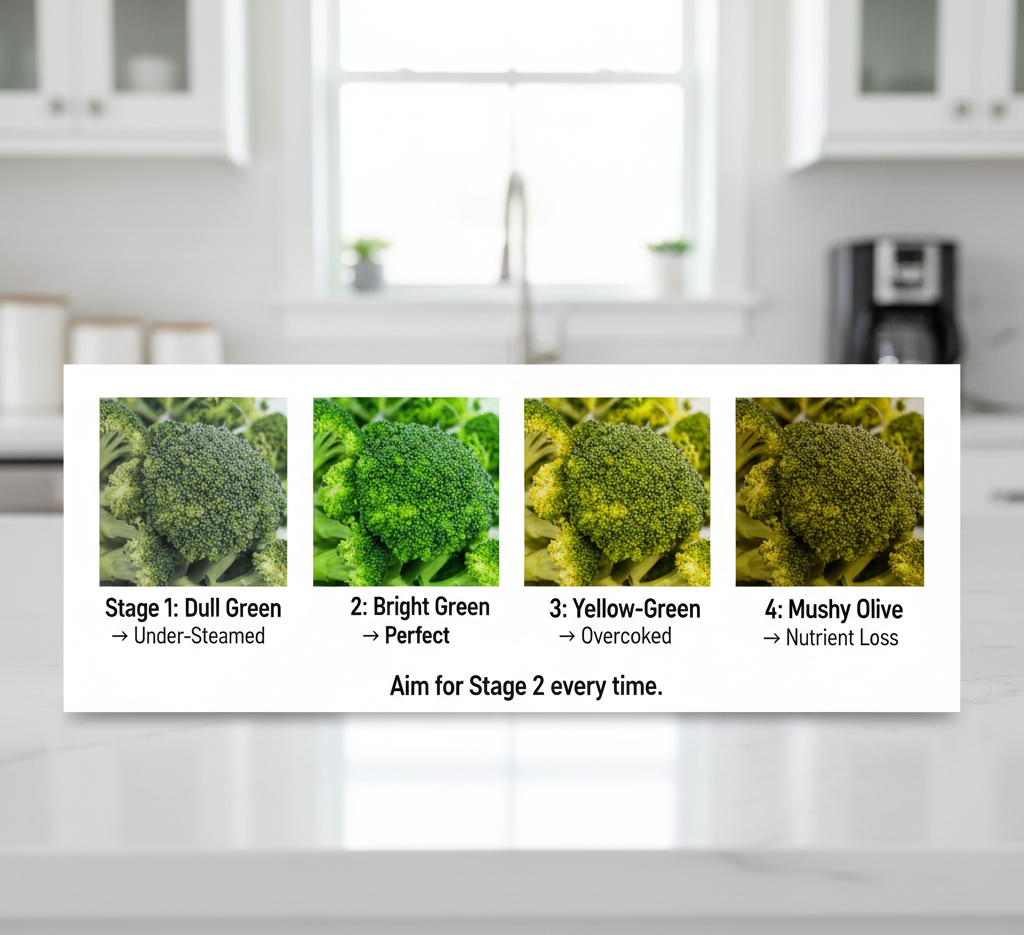
Steam until the broccoli turns bright green and slightly tender.
Avoid overcooking; mushy broccoli loses nutrients.
Step 4: Season Lightly
Add:
-
Olive oil
-
Lemon juice
-
Salt and pepper
Adding a healthy fat like olive oil helps absorb fat-soluble antioxidants.
Nutrient Retention by Cooking Method
Broccoli Nutrient Retention (Out of 100%)
-
Light Steaming:
██████████ 100% -
Stir-Frying:
████████ 80% -
Air Frying:
████████ 70% -
Roasting:
███████ 60% -
Boiling:
███ 20%
Note:
Bright green color = optimal nutrient preservation.
Why Boiling Is the Worst for Broccoli
Boiling submerges broccoli in hot water.
Most nutrients escape into the water and get discarded.
Studies show boiling can:
-
Destroy myrosinase
-
Remove vitamin C
-
Decrease polyphenols
-
Reduce antioxidant levels to less than 20%
Even if it tastes softer, it is the least healthy way.
Why Steaming Beats Microwave Cooking
Microwave cooking is fast, but uneven heat can harm enzymes.
Steaming delivers even, gentle heat and maintains broccoli’s cell structure.
Microwaving may reduce vitamin C and chlorophyll more than steaming.
How Light Steaming Boosts Antioxidants by 300%
Here’s what happens during steaming:
-
Gentle heat preserves myrosinase
-
Florets retain moisture without nutrient loss
-
Heat activates dormant sulforaphane precursors
-
Minimal cooking time keeps vitamin C intact
The combination of light heat + short duration stimulates antioxidant production.
Real-Life Example: Before vs. After Changing Cooking Method
A family switched from boiling broccoli to steaming it for only 4 minutes.
Result:
-
Kids preferred the brighter color and better texture
-
Parents reported more stable energy after meals
-
The dish required less salt because flavor stayed intact
This simple change improved texture, taste, and nutrition.
Stir-Frying for Flavor (Second Best Method)
If you want more flavor, stir-frying is healthy when done correctly.
Tips:
-
Use moderate heat
-
Keep cooking time under 5 minutes
-
Add garlic or ginger for antioxidant synergy
Just don’t let it turn too soft.
Roasting for Texture (Moderate Nutrients)
Roasting gives a crispy, caramelized finish.
But high temperatures destroy some sulforaphane.
Best approach:
-
Roast at 375°F
-
10–12 minutes
-
Toss with olive oil and lemon
Still healthy, just not as nutrient-rich as steaming.
Air Frying: Convenient but Not the Healthiest
Air fryers cook fast but rely on high temperatures.
This can reduce vitamin C and sulforaphane levels.
However, air frying keeps calories low and flavor high.
Use only for taste-focused meals—not maximum nutrition.
Why Eating Broccoli Raw Isn’t Ideal
Raw broccoli is healthy, but:
-
Hard to digest
-
Less sulforaphane is available
-
Taste is harsher
Light steaming makes nutrients more bioavailable and easier on digestion.
How to Maintain Broccoli’s Bright Green Color
Color is a signal of nutrient preservation.
To keep broccoli vibrant:
-
Do not overcook
-
Avoid boiling
-
Add ice water after steaming if prepping for later
-
Season only after cooking
Bright green = maximum chlorophyll + antioxidants.
Ideal Cooking Timeline
Broccoli Cooking Timeline
-
0–2 Minutes → Enzymes Activate
-
3–5 Minutes → Maximum Antioxidants ✅
-
6–9 Minutes → Nutrient Decline Begins
-
10+ Minutes → 60% Nutrient Loss ⚠️
Tip:
The sweet spot for nutrient retention is 3–5 minutes.
Add These Ingredients to Boost Antioxidant Absorption
Some foods enhance broccoli’s benefits.
Best pairings:
-
Olive oil
-
Mustard powder (restores myrosinase)
-
Lemon
-
Turmeric
-
Black pepper
Mustard powder is especially powerful.
Just 1/8 teaspoon can increase sulforaphane dramatically.
Quote from a Nutrition Expert
“You can double or triple broccoli’s antioxidant power with the right cooking method. Light steaming is the simplest way to unlock its full potential.”
— Dr. A. Romero, Clinical Nutrition Researcher
Broccoli Storage Tips to Preserve Nutrients
How you store broccoli also matters.
Store it:
-
In a breathable bag
-
In the vegetable drawer
-
Away from moisture
Avoid washing before storing as water speeds decay.
Meal Prep Example – Steamed Broccoli Bowl
A simple 10-minute meal:
-
1 cup steamed broccoli
-
½ cup quinoa
-
Olive oil drizzle
-
Lemon and herbs
-
Chickpeas or tofu
This bowl keeps nutrients intact and boosts satiety.
Common Broccoli Cooking Mistakes
Avoid these to maintain antioxidant levels:
-
Overcooking
-
Boiling
-
Adding salt before cooking
-
Using too much water
-
Cutting florets too small
-
Forgetting to let chopped broccoli rest
Small changes make a huge difference.
Combining Broccoli with Proteins
Broccoli pairs perfectly with:
-
Salmon
-
Chicken
-
Tofu
-
Beans
-
Eggs
The protein + antioxidant combo stabilizes energy and improves metabolism.
Broccoli for Weight Loss
Steamed broccoli is low in calories but high in:
-
Fiber
-
Water
-
Antioxidants
This keeps you full longer and supports fat-burning.
Broccoli for Immunity and Anti-Inflammation
Sulforaphane helps reduce:
-
Oxidative stress
-
Cellular damage
-
Inflammation markers
Light steaming preserves these anti-inflammatory compounds.
Faqs
What is the healthiest way to cook broccoli?
Light steaming for 3–5 minutes retains the most antioxidants and boosts sulforaphane by up to 300%.
Does boiling broccoli remove nutrients?
Yes. Boiling causes major nutrient loss because vitamins leach into the water.
Can I steam broccoli without a steamer?
Place broccoli in a metal sieve over boiling water, cover, and steam.
Is microwaving broccoli healthy?
It’s faster but can reduce vitamin C more than steaming.
Should I eat broccoli raw?
Raw is healthy but not ideal for absorption; steaming increases bioavailability.
Why does letting broccoli “rest” after cutting matter?
It activates myrosinase, boosting sulforaphane formation.
Can I freeze steamed broccoli?
Yes—steam lightly, cool instantly, then freeze to preserve nutrients.

