
Facebook Ads offer a straightforward path for newcomers diving into digital marketing. In 2026, this platform stands out with its user-friendly tools and quick results. Beginners often find it less intimidating than other options.
Many new advertisers choose this route due to its visual appeal and simple setup. The interface guides users step by step without overwhelming jargon. This makes starting campaigns feel accessible right away.
As digital advertising evolves, projections for 2026 show continued growth in social media spending. Platforms like this one adapt to beginner needs better than search-based systems. The focus remains on ease and engagement.
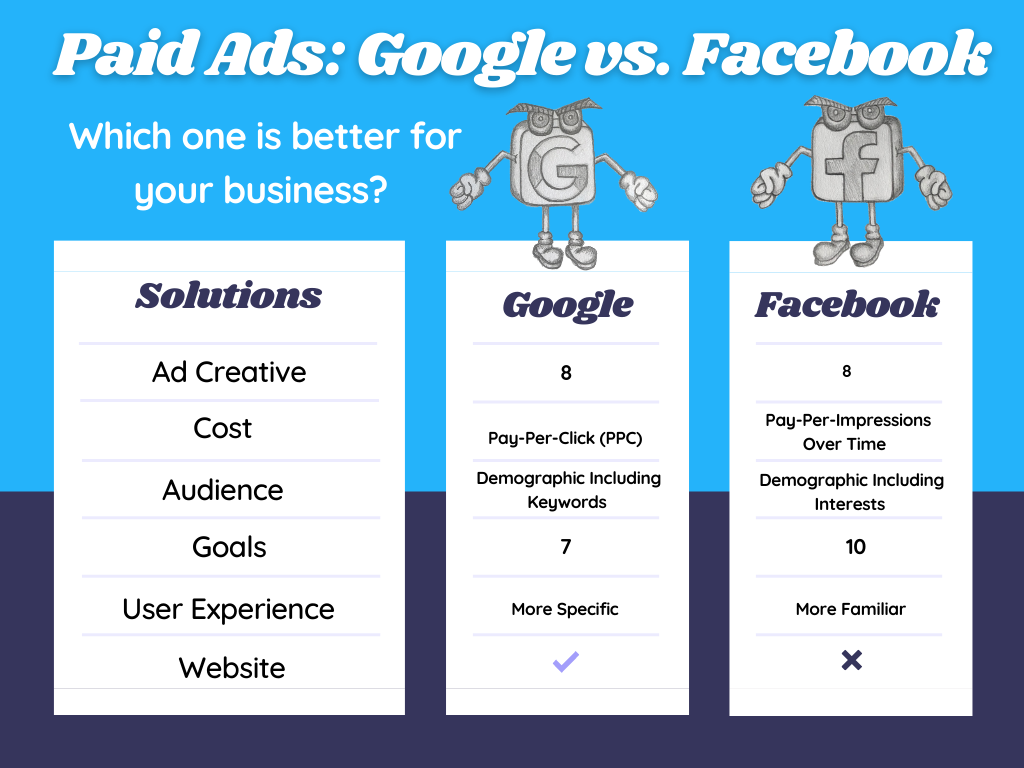
The Rise of Digital Advertising in 2026
Digital ad spend is expected to surge beyond $1 trillion globally by 2026. Social platforms capture a large share due to their reach and targeting precision. Beginners benefit from this trend as entry barriers lower.
Projections indicate social ad revenue growing faster than search ads. In the US alone, ad reach on social networks hits over 50% of the population. This creates opportunities for small businesses and novices.
Experts predict mobile-driven ads will dominate, with smartphones accounting for 69% of total spend. Newcomers can leverage this without advanced tech skills. The landscape favors intuitive platforms over complex ones.
What Makes Facebook Ads Beginner-Friendly
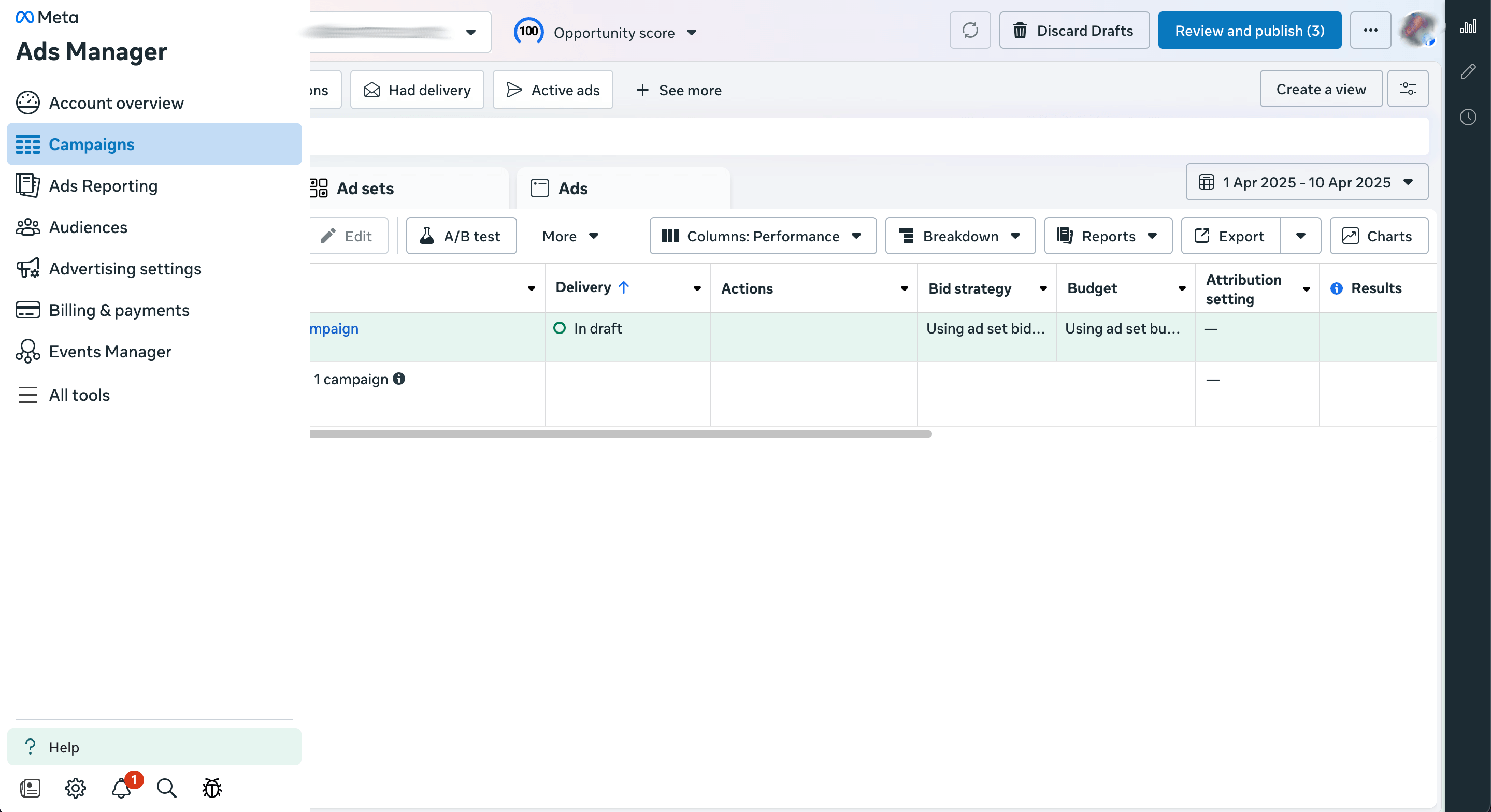
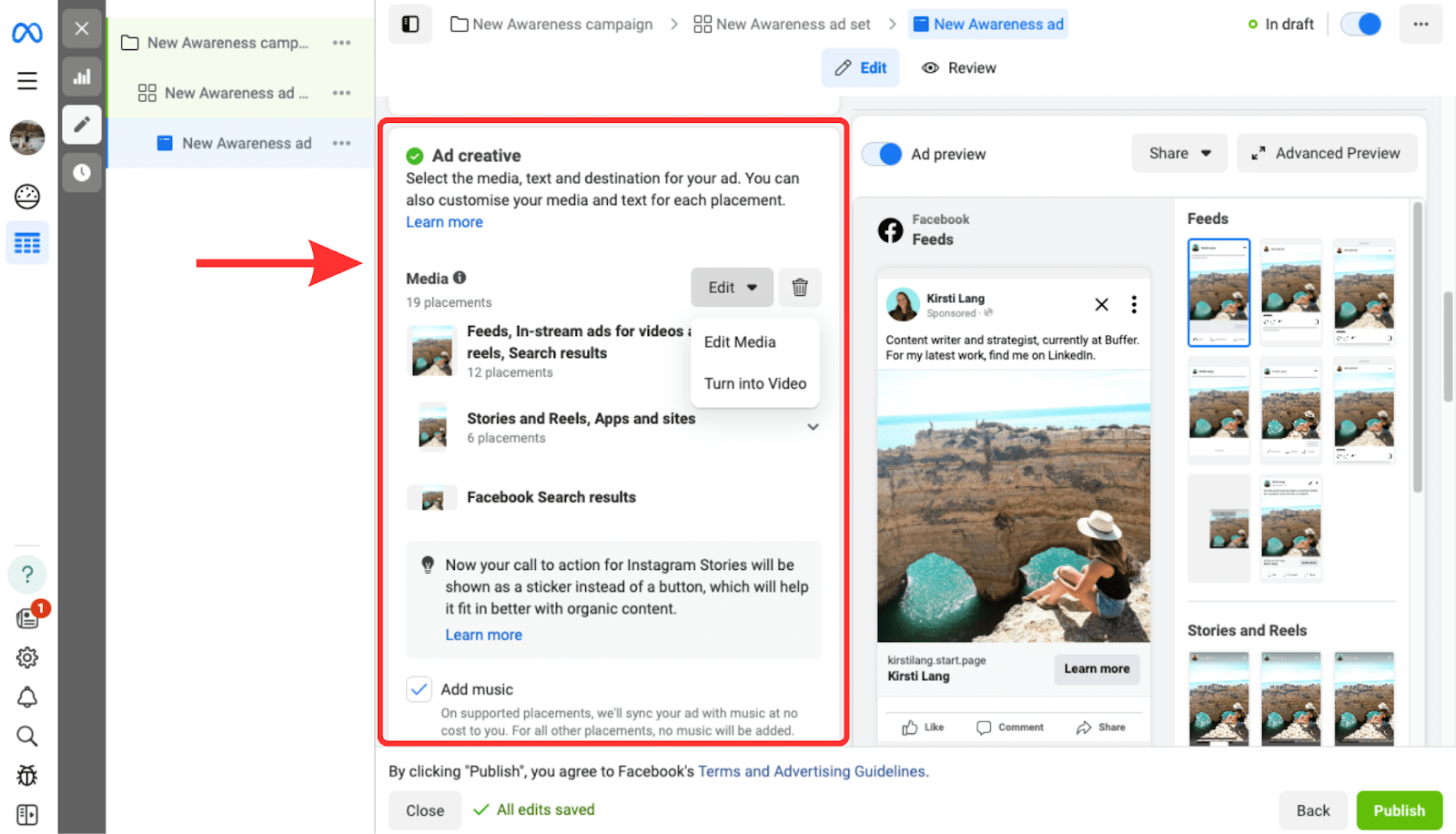
Facebook Ads shine with their drag-and-drop ad creation tools. Users select images, write short copy, and launch in minutes. No coding or deep analytics knowledge is required upfront.
The platform’s AI suggestions help optimize campaigns automatically. Beginners get tips on audience selection and budget allocation. This reduces trial-and-error compared to more technical alternatives.
Real-time previews show how ads appear on mobile or desktop. This feature lets novices tweak designs easily before going live. Confidence builds quickly with such hands-on guidance.
Comparing Setup Processes
Setting up on this social platform involves linking a business page and adding payment info. The process takes under 10 minutes for most users. Tutorials pop up to assist at every step.
In contrast, search ad setups demand keyword research and bid strategies from the start. Beginners often spend hours learning terms like CPC and CTR. This can deter quick launches.
One beginner shared, “I launched my first campaign in an afternoon without stress.” Such stories highlight the platform’s edge in simplicity. No need for extensive planning right away.
Targeting Made Simple
Audience targeting uses interests, behaviors, and demographics effortlessly. Beginners pick from suggested groups based on their product. This feels like browsing a menu rather than building a database.
Search ads rely on keywords that require tools for discovery. New users might miss high-intent terms without experience. The learning curve steepens here for those just starting.
A fitness app owner noted success targeting “yoga enthusiasts” aged 25-35. Results came fast with minimal adjustments. This illustrates how intuitive options lead to early wins.
Cost Advantages for Newcomers
Average costs per click remain lower on social platforms in 2026 projections. Beginners can test with small budgets like $10 daily. This low entry point encourages experimentation without big risks.
Search ads often see CPCs over $5 in competitive sectors. Novices might burn through funds quickly on poor keywords. Budget control feels trickier at first.
Statistics show social ad CTRs averaging 1.57% across industries. Higher engagement means better value for money. Beginners appreciate seeing returns sooner.

Performance Tracking Basics
Built-in dashboards display impressions, clicks, and conversions clearly. Beginners monitor progress with colorful charts and summaries. No external software needed initially.
Search platforms offer detailed reports but overwhelm with metrics. Understanding quality scores and ad ranks takes time. New users often need courses to interpret data.
An e-commerce starter said, “The insights tab showed me what worked instantly.” This feedback loop helps refine Facebook Ads without guesswork. Simplicity aids consistent improvement.
Real Examples of Beginner Success
A small bakery used simple image Facebook Ads to promote cupcakes. Targeting local food lovers, they gained 200 new customers in a week. Budget: just $50.
Another novice, a freelance graphic designer, ran video Facebook Ads showcasing portfolios. Leads tripled after targeting creative professionals. Easy setup was key to their quick pivot.
From expert views, “Social ads create demand where search captures it.” This quote explains why beginners thrive building awareness first. Real cases prove the point.
Challenges with Google Ads for Starters
Keyword competition drives up costs in popular niches. Beginners struggle selecting terms that convert without wasting money. Research tools add complexity.
Ad policies are stricter, with disapprovals common for new accounts. Fixing issues requires understanding guidelines deeply. This frustrates those new to the game.
One user recalled, “My first ad got rejected three times before approval.” Such hurdles slow momentum. Contrast this with smoother social approvals.
Why Integration Matters in 2026
Combining platforms yields best results, but starting simple builds skills. Beginners often begin with social to gain confidence. Then expand to search.
Projections show 75% of ad spend going digital by 2026. Integrated strategies use retargeting across networks. Novices learn this progressively.
An agency leader advised, “Master one before tackling both.” This approach prevents overload. Social’s ease makes it the ideal starting point.
Audience Reach Projections
Social networks boast 3 billion active users monthly in 2025, growing into 2026. Beginners tap vast pools without geographic limits. Global campaigns launch easily.
Search reaches intent-driven users but misses passive browsers. Novices might overlook broad reach needs. Social fills this gap effectively.
Data reveals 93% of marketers use Facebook Ads for lead nurturing. This statistic underscores its role in full-funnel strategies. Beginners benefit from versatile applications.
Creative Freedom for Novices
Ad formats include carousels, stories, and videos with minimal restrictions. Beginners experiment with visuals from their phones. Creativity flows without tech barriers.
Search text ads limit expression to headlines and descriptions. Crafting compelling copy demands writing skills upfront. Visual learners prefer social’s options.
A clothing brand beginner used user-generated content in Facebook Ads. Engagement soared, proving simple ideas work. No professional designers required.
ROI Insights from Experts
Average ROI on Facebook Ads hits 2x in many sectors. Beginners see quicker returns due to lower costs. Scaling becomes feasible after initial tests.
Search can yield higher intent but varies by industry. Novices risk negative ROI from mismanaged bids. Patience is key here.
Quote from a digital strategist: “For awareness, social wins; for sales, blend them.” This guidance helps beginners set realistic goals. Success builds from there.
Mobile Optimization Ease
Most social traffic comes from mobiles, with Facebook Ads auto-optimizing. Beginners don’t tweak for devices manually. This saves time and effort.
Search ads need responsive designs and extensions. Mobile-specific strategies add layers for new users. Oversight leads to poor performance.
Statistics project 69% ad spend on mobiles by 2026. Platforms prioritizing this trend suit beginners best. Seamless experiences encourage ongoing use.
Community Support for Learners
Vast online groups share tips and templates for social ads. Beginners join forums to troubleshoot quickly. Peer advice accelerates learning.
Search communities exist but focus on advanced tactics. Novice questions might get overlooked. Structured courses often cost more.
A starter mentioned, “Facebook groups helped me fix targeting issues overnight.” Such resources make the journey less solitary. Community drives persistence.
Future Trends Favoring Simplicity
AI advancements in 2026 automate more ad tasks on social platforms. Beginners rely on smart bidding and creative suggestions. This levels the playing field.
Search AI helps but requires data inputs first. Novices lack historical info, slowing benefits. Social’s data richness aids faster.
Projections indicate social ad spend growing 12% yearly. This momentum attracts tools for ease. Beginners ride the wave with minimal prep.
Case Study: Beginner Bakery Campaign
Sarah, a home baker, started with $20 daily on image Facebook Ads. Targeting dessert lovers in her city, clicks led to orders. Revenue doubled in a month.
She avoided search due to keyword confusion. Social’s visual focus matched her product. Simple metrics showed ROAS of 4x.
This example shows how novices succeed without experts. Real-world application proves the platform’s beginner appeal.
Case Study: Freelancer’s Lead Gen
Mike, a new coach, used video Facebook Ads to share tips. Audience: professionals seeking growth. Leads came via form fills, converting 20%.
He tried search later but found costs higher. Social’s engagement built trust first. Beginners like him prioritize relationships.
Quote: “Start where your audience hangs out.” This fits social’s casual vibe. Success stories inspire similar paths.
Overcoming Common Pitfalls
Beginners often overspend without goals. Set clear objectives like traffic or sales early. Social tools prompt this during setup.
Ignoring audience insights leads to poor targeting. Review suggestions and test small. Quick adjustments prevent big losses.
A common tip: “A/B test creatives weekly.” This habit builds skills fast. Novices turn mistakes into lessons easily.
Scaling Strategies for Growth
Once comfortable, increase budgets gradually. Social allows duplicating successful campaigns. Beginners expand reach without overhauling.
Adding lookalike audiences finds similar users. This feature simplifies growth. No complex algorithms to master yet.
Experts say, “Scale what works, kill what doesn’t.” Data-driven decisions come naturally. Confidence grows with each win.
Integration Tips for Advanced Beginners
After mastering basics, link to search for retargeting. Social warms leads; search closes sales. This hybrid boosts overall ROI.
Tools like pixels track across platforms. Setup is guided, easing transition. Novices evolve without starting over.
In 2026, seamless integrations become standard. Beginners prepare by starting simple. Long-term success follows.
Industry-Specific Advice
For e-commerce, social’s shopping tags shine. Beginners showcase products directly. Conversions happen in-app often.
Service businesses use lead forms for quick captures. No website needed initially. This lowers barriers significantly.
A retail expert noted, “Visual industries thrive on social.” Tailor choices to niche. Beginners match platforms to strengths.
Budgeting Best Practices
Start small, like $5-10 per day. Monitor for a week, then adjust. Social’s flexibility allows pausing anytime.
Avoid daily caps too high at first. Learn from data before scaling. This prevents budget drains.
Statistics show average CPC at $0.97 for social. Affordable testing encourages iteration. Beginners build habits here.
Ad Copy Tips for Novices
Keep text short and benefit-focused. Questions engage viewers quickly. Social favors conversational tone.
Use emojis sparingly for emphasis. Visuals carry the message. Beginners test variations easily.
One successful ad read: “Ready for fresh baked goods?” Simple calls to action work. No fancy words needed.
Visual Selection Guide
Choose high-quality images that evoke emotion. User photos build trust. Social prioritizes authenticity.
Avoid stock photos if possible. Personal touches resonate. Beginners use phone cameras effectively.
Data shows video Facebook Ads outperform static by 20%. Short clips grab attention. Easy editing tools help.
Compliance Essentials
Follow ad policies on claims and images. Social reviews quickly, offering fixes. Beginners learn fast from feedback.
Prohibited content includes misleading promises. Stick to truths. This builds long-term credibility.
A policy tip: “Disclose affiliations clearly.” Transparency wins trust. Novices avoid bans this way.
Analytics Deep Dive for Starters
Focus on key metrics like reach and engagement first. Social dashboards highlight these. Ignore advanced ones initially.
Track cost per result for efficiency. Adjust based on goals. Beginners spot trends without spreadsheets.
Quote: “Data tells the story; listen to it.” This mindset shifts novices to pros. Consistent review pays off.
A/B Testing Simplified
Run two versions with one change, like headline. Social automates winner selection. Beginners learn preferences quickly.
Test audiences separately. Refine over time. This method minimizes risks.
Results show 30% improvement often. Easy wins motivate continued effort. Novices gain expertise hands-on.
Retargeting for Retention
Show Facebook Ads to past visitors. Social’s pixel makes this automatic. Beginners boost conversions 2-3x.
Warm audiences convert better. Start with site traffic. No cold starts needed.
An example: Abandoned cart reminders recover sales. Simple setup yields big returns.
Seasonal Campaign Ideas
Plan for holidays with themed Facebook Ads. Social trends help timing. Beginners capitalize on peaks.
Back-to-school or Black Friday boosts. Target seasonally. Easy calendars guide.
Projections for 2026 show holiday spend up 15%. Novices prepare early for gains.
Collaborations and Influencers
Partner with micro-influencers via Facebook Ads. Social amplifies reach. Beginners access networks affordably.
Sponsored posts build credibility. Track results closely. This expands beyond solo efforts.
A collab tip: “Choose aligned partners.” Relevance drives engagement. Novices grow audiences this way.
Measuring Long-Term Impact
Look beyond immediate sales to brand lift. Social metrics show awareness growth. Beginners track followers too.
Repeat customers indicate success. Nurture with ongoing Facebook Ads. This sustains business.
Expert view: “Ads plant seeds; nurture harvests.” Patience rewards. Novices build empires step by step.
Transitioning to Advanced Tools
Once basics are down, explore automation. Social’s AI handles bidding. Beginners upgrade seamlessly.
Add custom audiences from emails. Personalization boosts. No steep learning here.
In 2026, voice-activated Facebook Ads emerge. Platforms adapt intuitively. Novices stay ahead easily.
Common Myths Debunked
Myth: Social ads are just for big brands. Reality: Small budgets work too. Beginners prove it daily.
Another: Results take months. Many see wins in days. Quick feedback loops help.
Data busts: 87% industries see CPC rises elsewhere. Social remains stable. Affordable for all.
Preparing for 2026 Changes
Privacy updates affect targeting. Social adapts with aggregated data. Beginners follow guides.
AR ads gain traction. Easy creators let novices experiment. Innovation favors the bold.
Projections: Ad tech spends $50 billion. Tools simplify further. Beginners thrive in this era.
Final Thoughts on Choosing Platforms
For 2026, starting with social builds foundations. Ease trumps complexity for novices. Grow from there.
Blend as skills advance. But begin where success comes fastest. This path leads to mastery.
Remember, persistence pays. Every ad teaches. Beginners transform into experts swiftly.
FAQs
What is the minimum budget for starting Facebook Ads?
Most beginners start with $5-10 per day. This allows testing without high risk. Scale as results appear.
How long does it take to see results from Facebook Ads?
Many see engagement in hours, conversions in days. It depends on targeting and creative. Monitor closely.
Can I run Facebook Ads without a website?
Yes, use lead forms or in-app actions. This suits beginners without full sites. Focus on direct responses.
What if my ad gets disapproved?
Review policies and edit. Social provides reasons. Quick fixes get you back online fast.
Are there free tools to learn more?
Platform tutorials and community groups offer free advice. Beginners access webinars too. No cost to start learning.
How do I choose between image and video Facebook Ads?
Test both; videos often engage more. Beginners use phone content. See what resonates with your audience.
What metrics should beginners track first?
Focus on reach, clicks, and cost per click. These give quick insights. Advance to conversions later.
Can Facebook Ads target specific locations?
Yes, down to cities or radii. Ideal for local businesses. Beginners set this easily in setup.
How often should I update ads?
Weekly refreshes keep them fresh. Rotate creatives to avoid fatigue. Beginners test small changes.
Is AI helpful for beginners?
Absolutely, it suggests optimizations. Reduces manual work. 2026 sees more AI features for ease.

