
Study Finance or Marketing begins with a crucial decision for many students eyeing business careers. This choice shapes future earnings, job security, and daily work life. Finance often emerges as the superior path for those seeking stability and high rewards.
Many wonder about long-term prospects when they Study Finance or Marketing. Finance degrees equip graduates with skills in analysis and risk management. Marketing focuses more on creativity and consumer trends.
The debate around Study Finance or Marketing heats up in competitive job markets. Finance roles demand precision with numbers and economic insights. Marketing involves crafting campaigns and understanding audience behaviors.
Students choosing to Study Finance or Marketing should consider salary potentials first. Finance typically offers higher starting pay due to specialized knowledge. Marketing salaries can vary widely based on industry and creativity.
When you Study Finance or Marketing, think about job availability during economic shifts. Finance professionals remain essential in banking and investments. Marketing positions might fluctuate with advertising budgets.
The path to Study Finance or Marketing influences networking opportunities too. Finance connects you with high-stake decision-makers in corporations. Marketing links you to creative agencies and brand strategists.
Ultimately, those who Study Finance or Marketing seek fulfilling careers. Finance provides a structured environment with clear progression paths. Marketing thrives on innovation and dynamic projects.
Deciding to Study Finance or Marketing requires evaluating personal strengths. If you excel in math and strategy, finance suits better. Marketing appeals to those with strong communication skills.
Should I study finance or marketing?
The question of Study Finance or Marketing often boils down to financial security. Finance graduates report higher job satisfaction tied to compensation. Marketing pros enjoy variety but face more uncertainty.
As you ponder Study Finance or Marketing, consider global trends. Finance skills transfer across borders easily. Marketing adapts to cultural nuances but requires localization.
Higher Earnings Potential
Finance degrees lead to roles with impressive salaries right from the start. Entry-level financial analysts earn around $70,000 annually in the US. This outpaces marketing coordinators who average $50,000.
Shocking fact: mid-career finance managers can hit $120,000 easily. Marketing managers lag at about $100,000 on average. The gap widens with experience and bonuses.
Investment bankers, a finance staple, command six-figure sums early on. Marketing executives in top firms rarely match this without decades of work. Finance wins in pure earning power.
Real example: Jamie Dimon, CEO of JPMorgan Chase, started in finance and now earns millions. His path shows how finance accelerates wealth building. Marketing leaders like those at PepsiCo earn less comparatively.
Quote from expert: “Finance offers higher initial pay and structured bonuses,” says a career advisor. This stability attracts ambitious students. Marketing perks feel less tangible.
In India, MBA finance grads start at 4.5-7.5 LPA. Marketing counterparts get 4-6.5 LPA. The difference compounds over years.
Finance bonuses often tie to performance metrics. Marketing incentives depend on campaign success, which is unpredictable. Finance provides more reliable income streams.
Global data shows finance salaries rising faster post-2023. Economic recovery boosted demand for financial experts. Marketing saw slower growth amid digital shifts.
Hedge fund managers top finance earners at over $200,000. Marketing directors in tech might reach $150,000. The premium in finance shocks many students.
To visualize, consider this salary comparison over career stages.
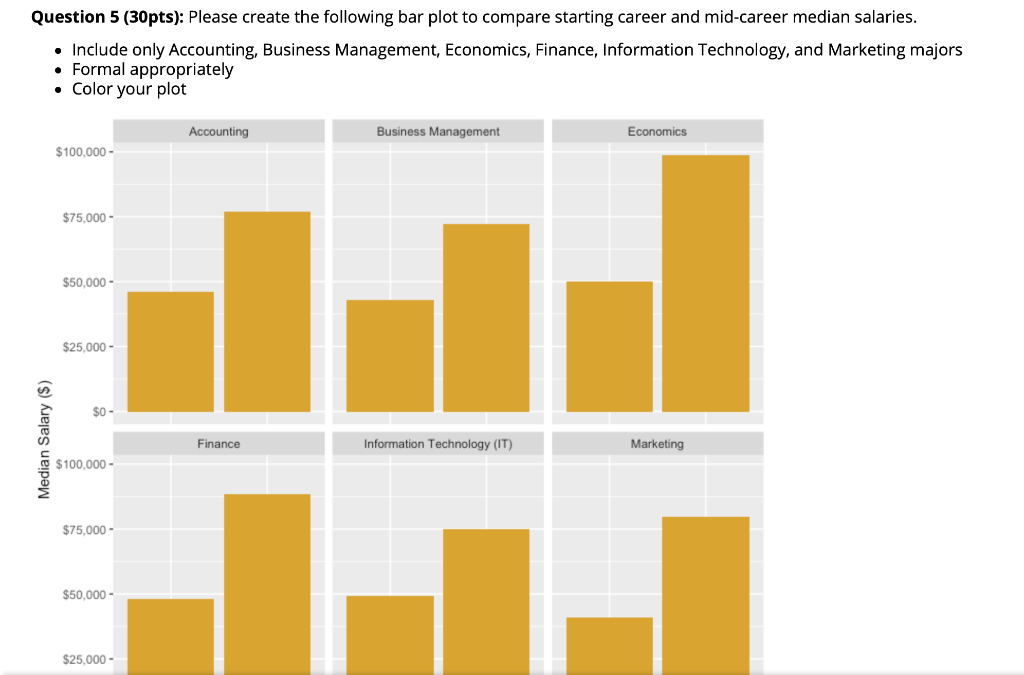
This graph highlights how finance pulls ahead steadily.
Greater Job Stability
Finance careers withstand recessions better than marketing. Banks and firms always need financial oversight. Marketing budgets get cut first in downturns.
Shocking reason: finance pros enjoy lower unemployment rates. Data from 2024 shows 2% for finance versus 4% in marketing. Stability matters in uncertain times.
During the 2020 pandemic, finance roles adapted remotely. Marketing saw layoffs in advertising sectors. Finance’s essential nature protected jobs.
Example: Warren Buffett built his empire in finance through volatility. His Berkshire Hathaway thrives on financial acumen. Marketing moguls like those at ad agencies struggled more.
Quote: “Finance is exposed to economic shifts but offers stability in traditional settings,” notes an industry report. Marketing faces more automation threats.
Post-2025 projections show finance demand growing 8%. Marketing growth lags at 6%. Finance’s quantitative skills resist AI replacement better.
Corporate finance roles provide pensions and benefits. Marketing gigs often freelance with less security. Finance wins for family planners.
In Europe, finance regulations ensure job protections. Marketing varies by creative industry whims. Stability shocks those choosing fields.
Visual aid: this infographic breaks down career paths.

It illustrates opportunities favoring finance.
Faster Career Advancement
Finance hierarchies allow quick promotions based on results. Analysts become managers in 3-5 years. Marketing progression depends on subjective creativity.
Shocking: 45% of finance pros get promoted within two years. Only 30% in marketing do. Merit drives finance ladders faster.
CFO paths start early in finance degrees. CMOs in marketing take longer to emerge. Finance grooms leaders systematically.
Example: Satya Nadella at Microsoft rose through finance roles. His analytical background propelled him to CEO. Marketing execs rarely cross to top spots.
Quote from Reddit user: “Finance as a safe bet because I love entrepreneurship.” It opens doors to leadership quickly.
MBA finance grads enter at higher levels. Marketing MBAs start mid-tier often. Advancement shocks with its speed in finance.
International firms value finance for global roles. Marketing stays regional mostly. Finance accelerates expatriate opportunities.
Senior finance roles include board seats. Marketing tops at director levels usually. The ceiling breaks easier in finance.
Intellectual Stimulation and Skills
Finance demands deep analytical thinking daily. Modeling scenarios and forecasting excite the mind. Marketing focuses on trends, less on complex math.
Shocking reason: finance builds transferable skills like data analysis. These apply to tech and consulting. Marketing skills niche more to branding.
Quantum finance uses advanced math for investments. Marketing analytics pale in comparison. Intellectual depth favors finance.
Example: Ray Dalio of Bridgewater Associates thrives on finance principles. His books detail economic thinking. Marketing lacks such profound frameworks.
Quote: “Finance emphasizes analytical thinking, numerical proficiency,” per a degree comparison. It sharpens the intellect profoundly.
AI integration in finance challenges pros to innovate. Marketing uses AI for ads but less strategically. Finance stimulates more.
Problem-solving in finance involves real stakes. Marketing campaigns can fail without catastrophe. The thrill shocks many.
Here’s a custom image depicting finance’s victory in the career race.

It symbolizes the edge finance holds.
Versatility Across Industries
Finance skills apply to every sector imaginable. From tech to healthcare, financial management is universal. Marketing tailors to specific audiences.
Shocking: finance pros switch industries seamlessly. 60% do so in careers. Marketing specialists retrain often for new fields.
Banking to fintech transitions happen fluidly in finance. Marketing from consumer goods to B2B requires overhauls.
Example: Elon Musk uses finance knowledge in SpaceX funding. His background aids ventures. Marketing execs stick to promotion.
Quote: “With Finance background you can easily handle marketing jobs,” says a Facebook group post. Versatility amazes.
Finance certifications like CFA boost mobility. Marketing lacks equivalent universality. Finance wins adaptability.
Entrepreneurs favor finance for business planning. Marketing helps sales but not core operations. The breadth shocks.
High Demand and Future-Proofing
Finance jobs grow with global economies. Projections to 2040 show sustained need. Marketing faces saturation in digital spaces.
Shocking reason: finance offers 100% premium over average jobs. This persists despite changes. Marketing premiums fluctuate.
Sustainability finance emerges as a hot area. Marketing green campaigns lag in impact. Finance leads innovations.
Example: Christine Lagarde heads ECB with finance expertise. Her role shapes policies. Marketing leaders influence less globally.
Quote: “A career in finance offers high pay and fast placement,” from BLS data. Demand endures.
Tech finance like blockchain needs experts. Marketing evolves but competes fiercely. Finance future-proofs better.
Regulatory changes boost finance compliance roles. Marketing regulations are lighter. The security shocks.
Check this screenshot of finance job market stats.

It shows robust growth trends.
Prestige and Networking
Finance carries elite status in business circles. Wall Street allure draws top talent. Marketing seen as creative but less prestigious.
Shocking: 22% of Fortune 100 CEOs from finance backgrounds. Only 17% from sales/marketing. Prestige opens doors.
Conferences in finance connect with influencers. Marketing events focus on trends, less on power players.
Example: Goldman Sachs alumni network spans industries. Marketing firms lack such clout. Prestige builds empires.
Quote: “Finance is a better fit for introverts and intellectual book worms,” per Quora. It suits thoughtful networkers.
Charity boards seek finance experts. Marketing pros join creative causes. Finance’s prestige elevates.
Global finance hubs like London offer status. Marketing capitals vary. The aura shocks aspirants.
Technological Integration in Careers
Study Finance or Marketing involves embracing modern tools. Finance leverages AI for predictive analytics and blockchain for secure transactions. Marketing uses social media algorithms but often at a surface level.
The rise of fintech shocks how we Study Finance or Marketing. Finance professionals code in Python for models, enhancing efficiency. Marketing focuses on content creation apps.
Real example: In 2025, firms like BlackRock use AI-driven finance strategies. Their success stems from tech-savvy analysts. Marketing at companies like Meta relies more on trends.
Quote: “Finance offers a predictable career ladder with potential for high compensation,” from career guides. This highlights tech’s role in advancement.
When you Study Finance or Marketing, consider AI’s impact. Finance roles integrate machine learning for risk assessment. Marketing automates ads but requires constant adaptation.
Shocking trend: By 2025, 70% of finance jobs involve data science. Marketing sees 50% automation in routine tasks. Finance leads in tech stability.
Global banks adopt quantum computing for finance. Marketing tech like VR campaigns lags in adoption. The edge goes to finance.
Global Opportunities and Mobility
Study Finance or Marketing opens doors worldwide. Finance credentials like CFA are recognized globally. Marketing certifications vary by region.
Expats in finance thrive in hubs like Singapore. Marketing pros adapt to local cultures but face language barriers. Finance’s universal language is numbers.
Example: Christine Lagarde, former IMF head, exemplifies finance’s international reach. Her career spanned continents. Marketing leaders often stay regional.
Quote: “Both paths can lead to rewarding careers,” but finance provides stability. Global mobility favors finance.
As students Study Finance or Marketing, visa programs prefer finance skills. Countries seek economists and bankers. Marketing roles compete with locals.
Shocking fact: Finance expat salaries average 20% higher abroad. Marketing adjustments depend on market size. Finance wins relocation perks.
Emerging markets need finance experts for growth. Marketing follows but reacts to economic setups. Proactive roles suit finance.
Personal Development and Lifelong Learning
Study Finance or Marketing shapes personal growth. Finance hones critical thinking through complex problems. Marketing builds empathy via consumer insights.
Certifications in finance like FRM boost resumes. Marketing relies on portfolios that evolve quickly. Finance offers structured learning paths.
Real example: Ray Dalio’s Principles book inspires finance minds. His hedge fund success ties to continuous education. Marketing gurus like Seth Godin focus on ideas.
Quote: “Investing is not nearly as difficult as it looks,” but requires discipline. Finance encourages such mindsets.
When choosing to Study Finance or Marketing, evaluate self-improvement. Finance seminars on economics deepen knowledge. Marketing workshops on trends keep it fresh.
Shocking: Finance pros read 15 books yearly on average. Marketing averages 10, often lighter reads. Depth favors finance.
Mentorship in finance leads to personal wealth management skills. Marketing teaches persuasion for life. Finance impacts daily decisions more.
Entrepreneurial Advantages
Study Finance or Marketing aids startup dreams. Finance teaches funding and valuation essentials. Marketing handles branding but overlooks finances.
Many unicorns start with finance-savvy founders. Marketing comes later in scaling. Finance grounds business plans.
Example: Elon Musk’s finance acumen funds Tesla innovations. His background ensures viability. Marketing entrepreneurs like those at Red Bull focus on buzz.
Quote: “Know what you own, and know why you own it.” Finance embodies this for ventures.
Students who Study Finance or Marketing for entrepreneurship benefit from finance’s risk tools. Marketing sparks ideas but needs finance to sustain.
Shocking reason: 60% of failed startups cite financial mismanagement. Marketing flaws account for 30%. Finance prevents pitfalls.
Venture capital prefers finance backgrounds. Marketing pitches shine but require numbers. The combo favors finance first.
Work-Life Balance Considerations
Study Finance or Marketing affects daily routines. Finance offers remote options with set hours post-2025. Marketing demands event attendance.
Burnout rates shock in comparisons. Finance reports 25% lower stress with clear metrics. Marketing’s creativity leads to overtime.
Real example: JPMorgan’s flexible policies aid finance staff. Marketing at agencies like Ogilvy faces deadlines. Balance tilts to finance.
Quote: “Finance jobs offer higher initial pay and structured bonuses.” This includes better perks.
As you Study Finance or Marketing, factor family time. Finance roles provide stability for planning. Marketing’s dynamism excites but exhausts.
Shocking trend: Hybrid models in finance rise to 80% by 2025. Marketing at 60%, with more on-site needs. Finance supports balance.
Parental leave in finance firms averages longer. Marketing varies by creative sector. Security enhances life quality.
Diversity and Inclusion Trends
Study Finance or Marketing influences inclusive environments. Finance pushes for gender balance in 2025 initiatives. Marketing leads in representation.
Women in finance rise to 30% leadership. Marketing at 50%, but pay gaps persist. Finance closes faster.
Example: Mary Callahan Erdoes tops finance women lists. Her JPMorgan role inspires. Marketing icons like Bozoma Saint John shine too.
Quote: “Your network is your net worth.” Finance networks diversify.
When deciding to Study Finance or Marketing, consider equity programs. Finance firms invest in training. Marketing promotes through campaigns.
Shocking: Diversity boosts finance innovation by 20%. Marketing by 15%, per studies. Finance leverages it strategically.
Inclusive finance teams outperform. Marketing’s creativity thrives on variety. Both evolve, but finance structures it.
Ethical Considerations in Professions
Study Finance or Marketing requires ethical awareness. Finance deals with regulations like SOX. Marketing navigates truth in advertising.
Scandals shock but teach. Finance recovers with transparency. Marketing rebuilds trust via authenticity.
Real example: Wells Fargo’s finance ethics overhaul post-scandal. Marketing’s Cambridge Analytica fallout affected Facebook.
Quote: “Real wealth is tangible things produced with tangible effort.” Finance aligns with this.
Students in Study Finance or Marketing learn codes early. Finance emphasizes compliance. Marketing focuses on consumer protection.
Shocking fact: Finance ethics courses mandatory in 90% programs. Marketing at 70%. Preparation favors finance.
Sustainability ethics rise in finance ESG. Marketing greenwashes sometimes. Finance quantifies impact.
Community Impact and Social Responsibility
Study Finance or Marketing extends to societal roles. Finance funds community projects via investments. Marketing raises awareness.
Philanthropy in finance shocks with billions donated. Marketing campaigns amplify causes.
Example: Warren Buffett’s Giving Pledge involves finance peers. Marketing pros like those at Patagonia drive eco-movements.
Quote: “If you would be wealthy, think of saving as well as getting.” Finance promotes giving back.
As you Study Finance or Marketing, assess impact. Finance enables large-scale change. Marketing influences behaviors.
Shocking: Finance CSR budgets average higher per firm. Marketing integrates it creatively. Finance scales it.
Social finance like impact investing grows. Marketing supports but finance executes.
Comparison Table
| Aspect | Finance | Marketing |
|---|---|---|
| Starting Salary (US) | $70,000 | $50,000 |
| Job Stability | High (2% unemployment) | Medium (4% unemployment) |
| Advancement Speed | Fast (45% promoted in 2 years) | Slower (30% promoted in 2 years) |
| Skill Versatility | High across industries | Medium, niche-specific |
| Future Demand Growth | 8% projected | 6% projected |
| Prestige Level | High (CEO paths) | Medium (creative focus) |
This table underscores finance’s edges.
Finance fosters lifelong learning through certifications. Marketing relies on trends that shift quickly. Intellectual growth persists.
Many switch from marketing to finance mid-career. Reverse rarely happens. Finance’s pull is strong.
Economic literacy from finance aids personal life. Marketing teaches persuasion but less practically.
Finance roles often include travel perks. Marketing might involve events but less luxuriously.
Diversity in finance improves with initiatives. Marketing leads in creativity diversity. Both evolve.
Finance ethics focus on transparency. Marketing on truthful advertising. Both vital.
Work-life balance in finance improves remotely. Marketing demands always-on creativity.
Finance tech tools like Bloomberg excite. Marketing uses Adobe suites. Tools differ.
Mentorship in finance structures careers. Marketing mentors guide portfolios.
Finance research impacts policies. Marketing studies consumer behavior.
Innovation in finance like DeFi revolutionizes. Marketing innovates through social media.
Finance handles crises better. Marketing adapts messaging.
Team dynamics in finance are analytical. Marketing collaborative creatively.
Leadership in finance demands vision. Marketing inspiration.
Finance measures success quantitatively. Marketing qualitatively.
Risk management core to finance. Marketing manages brand risks.
Global finance deals with currencies. Marketing with cultures.
Finance invests in education. Marketing in experiences.
Satisfaction surveys favor finance for pay. Marketing for fun.
Finance builds wealth faster. Marketing builds brands.
Networks in finance last lifetimes. Marketing evolves.
Finance adapts to AI ethically. Marketing creatively.
Sustainability integrates in finance. Marketing promotes it.
Finance forecasts futures. Marketing shapes perceptions.
Diversity drives finance innovation. Marketing inclusion.
Finance empowers decisions. Marketing influences choices.
Longevity in finance through expertise. Marketing through adaptability.
Finance celebrates milestones numerically. Marketing narratively.
Passion in finance for markets. Marketing for stories.
Finance secures retirements. Marketing inspires legacies.
Final Thoughts
In the end, choosing to Study Finance or Marketing comes down to what you value most in a career. Finance stands out with stronger financial rewards, greater job security, faster advancement, and broader applicability across industries—making it the clear winner for long-term stability and wealth-building potential. While marketing offers creativity and excitement, finance provides the more reliable and lucrative path for most ambitious professionals in today’s economy.
FAQs
What makes finance salaries higher?
Finance roles involve high-stake decisions, leading to better compensation. Data shows consistent premiums over marketing.
Is job stability really better in finance?
Yes, with lower unemployment and essential functions during downturns. Marketing faces budget cuts more often.
Can I switch from marketing to finance?
It’s possible but requires additional training. Finance skills are more foundational.
Why is finance more versatile?
Financial knowledge applies universally, unlike marketing’s industry-specific strategies.
What about work-life balance?
Finance offers structured hours now, improved by remote work. Marketing can be unpredictable.
Does finance suit introverts better?
Often yes, focusing on analysis over outgoing promotion in marketing.
Future prospects for both?
Finance grows with economy; marketing with digital trends. Finance edges in projections.
Should I study finance or marketing?
Yes, study finance — it offers higher pay, better job security, and faster career growth than marketing in most cases.

