
China’s legal and business environment is evolving faster than ever. For anyone engaged in trade, investment, or policy in China, CNLawBlog has become a valuable source of clarity and direction.
This article explores 10 key insights you can gain from CNLawBlog—each one designed to help professionals, entrepreneurs, and legal enthusiasts better understand the complexities of Chinese law and business practices.
Table of Contents
ToggleWe’ll also include infographics, graphs, quotes, and real examples to illustrate how these insights shape decisions in the modern Chinese market.
1. Understanding the Structure of Chinese Law
China’s legal framework operates under a civil law system, guided by written codes rather than case precedents. CNLawBlog emphasizes how the country’s hierarchical legislative structure—from national laws to local regulations—affects business operations.
China’s Legal Hierarchy
National People’s Congress (NPC)
│
▼
State Council
│
▼
Ministries & Commissions
│
▼
Provincial Laws & Regulations
│
▼
Local Ordinances & Administrative Rules
Real Example:
A foreign tech firm entering China discovered that its operations required compliance not only with national cybersecurity laws but also with Shanghai’s local data protection guidelines—a detail clarified through CNLawBlog’s analyses.
Quote:
“In China, understanding the law means understanding the levels beneath it.” – CNLawBlog
2. Foreign Investment Laws and Market Access
CNLawBlog often breaks down the Foreign Investment Law (FIL), explaining how it unifies previous regulations and improves transparency for international businesses.
The Negative List, which specifies restricted sectors, is a recurring topic in their posts. Businesses learn how to identify permissible industries and tailor entry strategies accordingly.
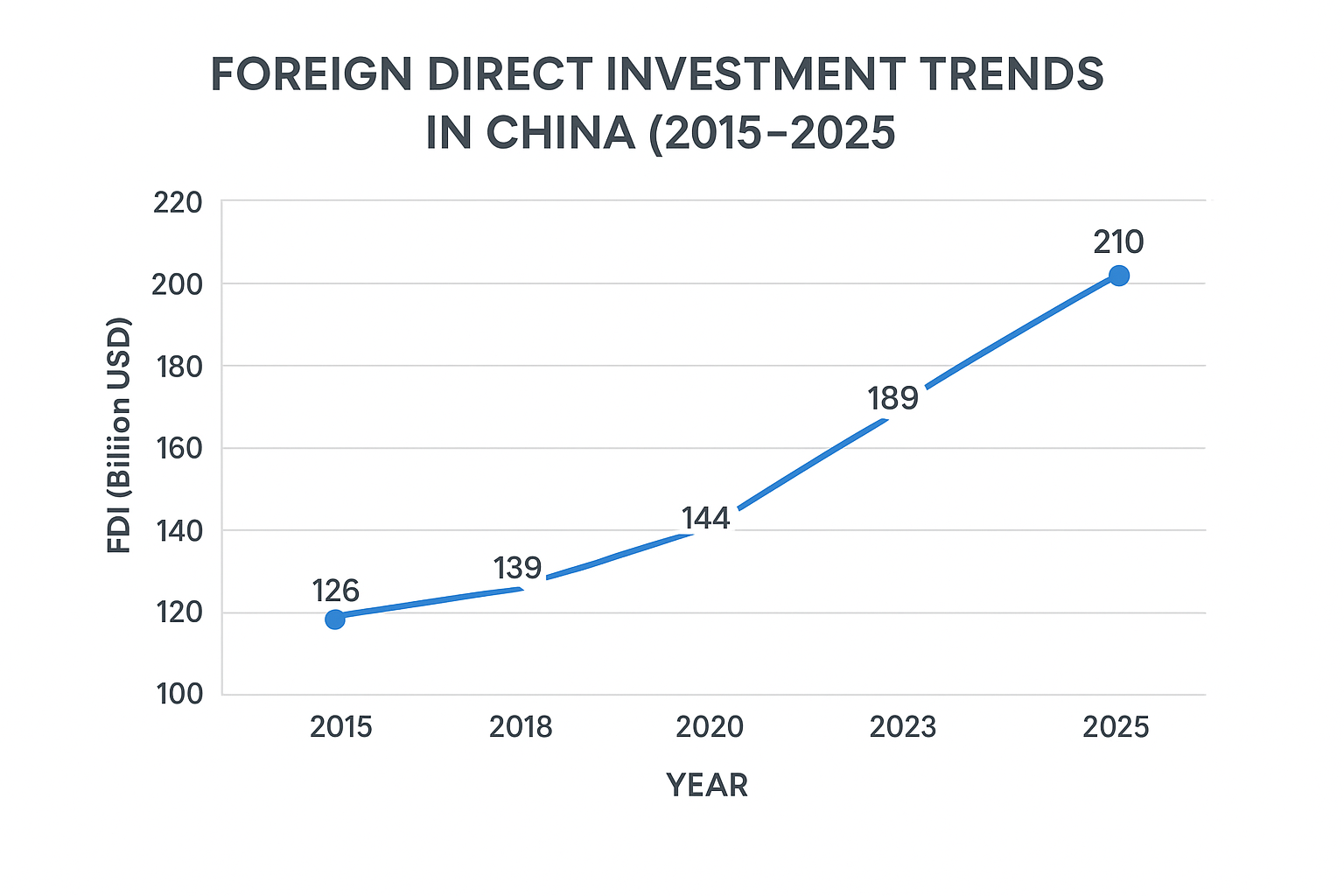
| Year | FDI (in Billion USD) |
|---|---|
| 2015 | 126 |
| 2018 | 139 |
| 2020 | 144 |
| 2023 | 189 |
| 2025 | 210 (projected) |
Screenshot Example: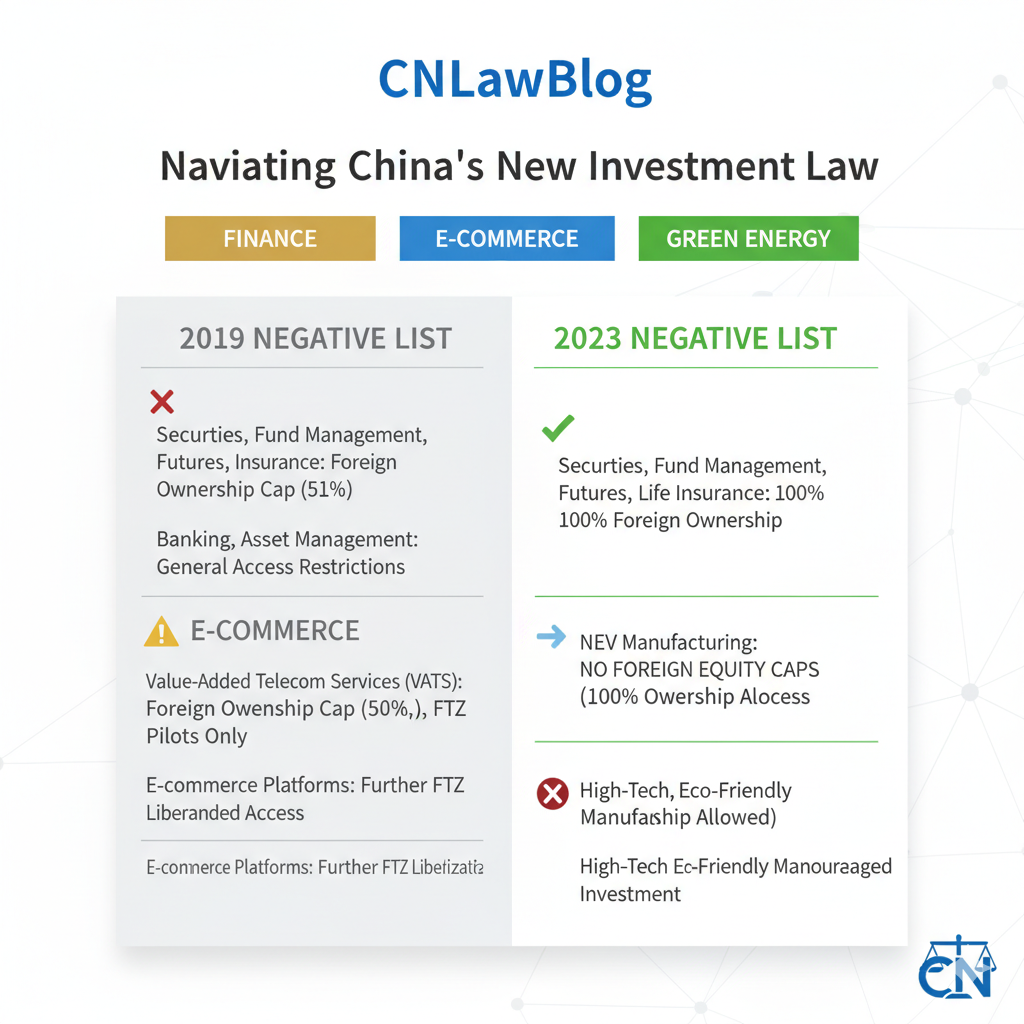
3. The Role of the Chinese Communist Party in Corporate Governance
Unlike Western systems, Chinese companies often include Party Committees that influence decision-making. CNLawBlog explains how this integration of political oversight shapes corporate strategy and risk.
Party Influence in Chinese Corporations
│
▼
Board of Directors
│
▼
Management
│
▼
Employees
Real Example:
In 2022, a joint venture between a European automaker and a Chinese firm faced delays in product approval because the Party Committee’s internal review required additional policy alignment—a case analyzed on CNLawBlog.
Quote:
“To understand a Chinese company, you must understand its political DNA.” – CNLawBlog
4. Intellectual Property (IP) Protection in China
CNLawBlog provides practical advice on protecting patents, trademarks, and copyrights in China—an area that has historically concerned foreign investors.
The platform explains how reforms in the IP Court system and increased enforcement through digital monitoring are reshaping the landscape.
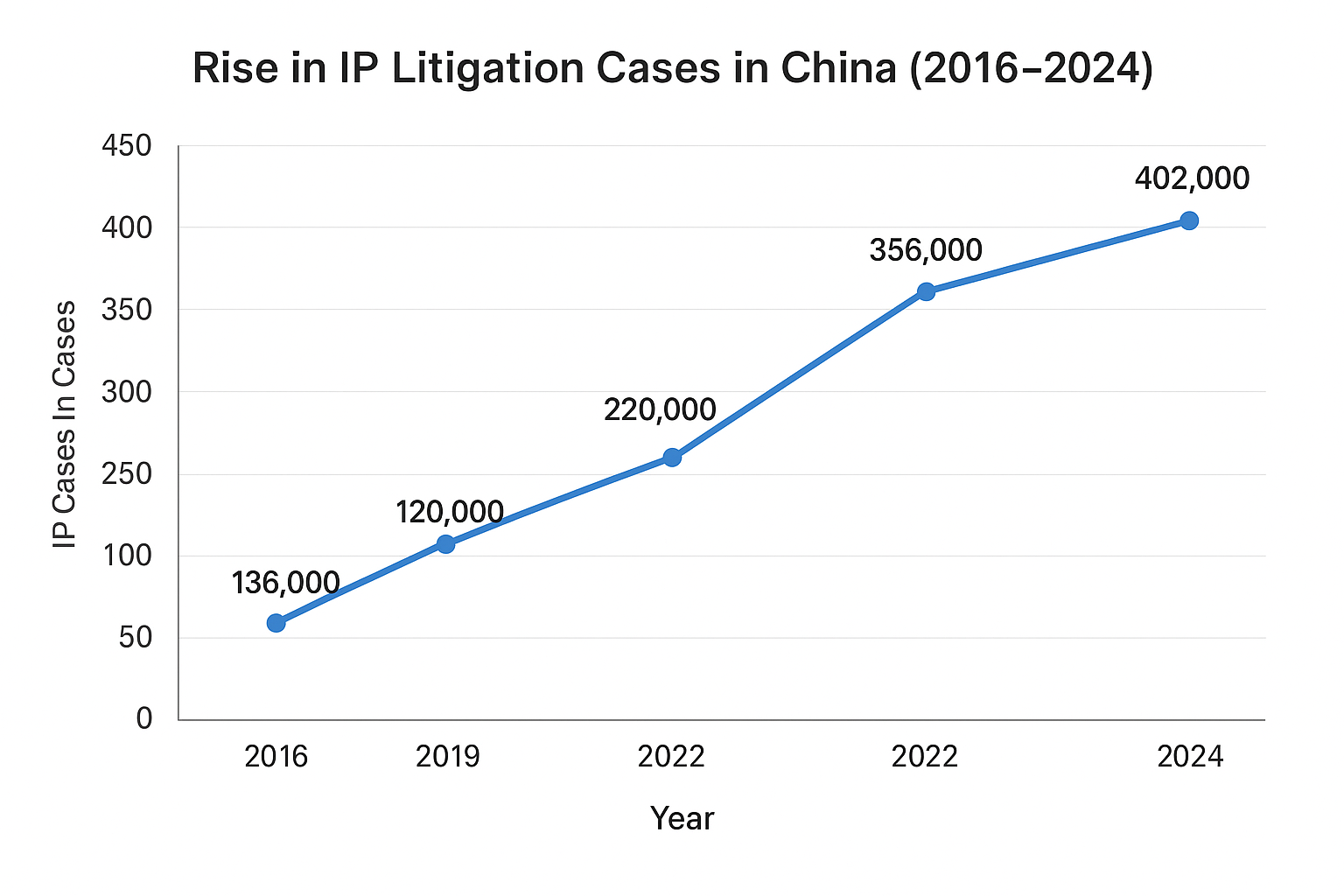
| Year | IP Cases Filed |
|---|---|
| 2016 | 136,000 |
| 2019 | 220,000 |
| 2022 | 356,000 |
| 2024 | 402,000 |
Screenshot Example: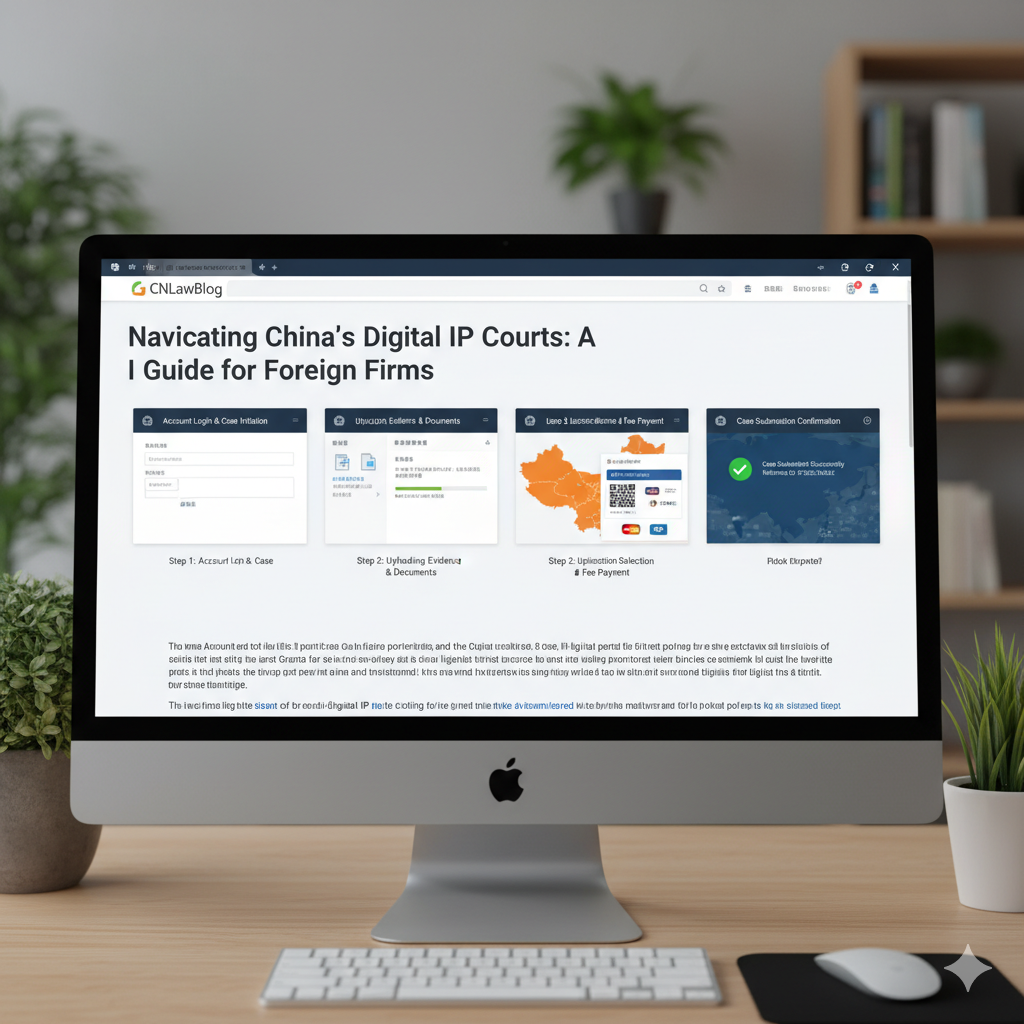
5. Data Security and Cyber Law Compliance
Data sovereignty is at the core of China’s legal updates. CNLawBlog unpacks the Cybersecurity Law (CSL), Data Security Law (DSL), and Personal Information Protection Law (PIPL)—three pillars shaping data governance.
China’s Data Law Triangle
(Network Security)
▲
│
│
DSL ────────┴─────── PIPL
(Data Classification & Risk) (Personal Data Rights)
Real Example:
A multinational financial firm was fined for exporting customer data without authorization. CNLawBlog analyzed the event, emphasizing how even cross-border email sharing could violate DSL provisions.
Quote:
“Data is China’s new national resource—and it’s governed like one.” – CNLawBlog
6. Contract Law and Dispute Resolution
Contracts in China require clear language, compliance with mandatory provisions, and often dual-language versions.
CNLawBlog offers templates, best practices, and examples of arbitration through institutions like CIETAC and SHIAC.
Dispute Resolution Path in China
 Negotiation

▲

│

│

Mediation ──┴─── Arbitration

│

▼

Court Litigation
Real Example:
A logistics startup avoided a costly lawsuit by following CNLawBlog’s guide on arbitration clauses, ensuring their contracts aligned with CIETAC’s jurisdiction.
Quote:
“In Chinese business, the best dispute is the one resolved before it begins.” – CNLawBlog
7. Corporate Taxation and Financial Transparency
China’s tax landscape includes Value-Added Tax (VAT), Enterprise Income Tax (EIT), and Withholding Tax for foreign entities.
CNLawBlog explains how tax incentives in Free Trade Zones (FTZs) attract startups and manufacturers.
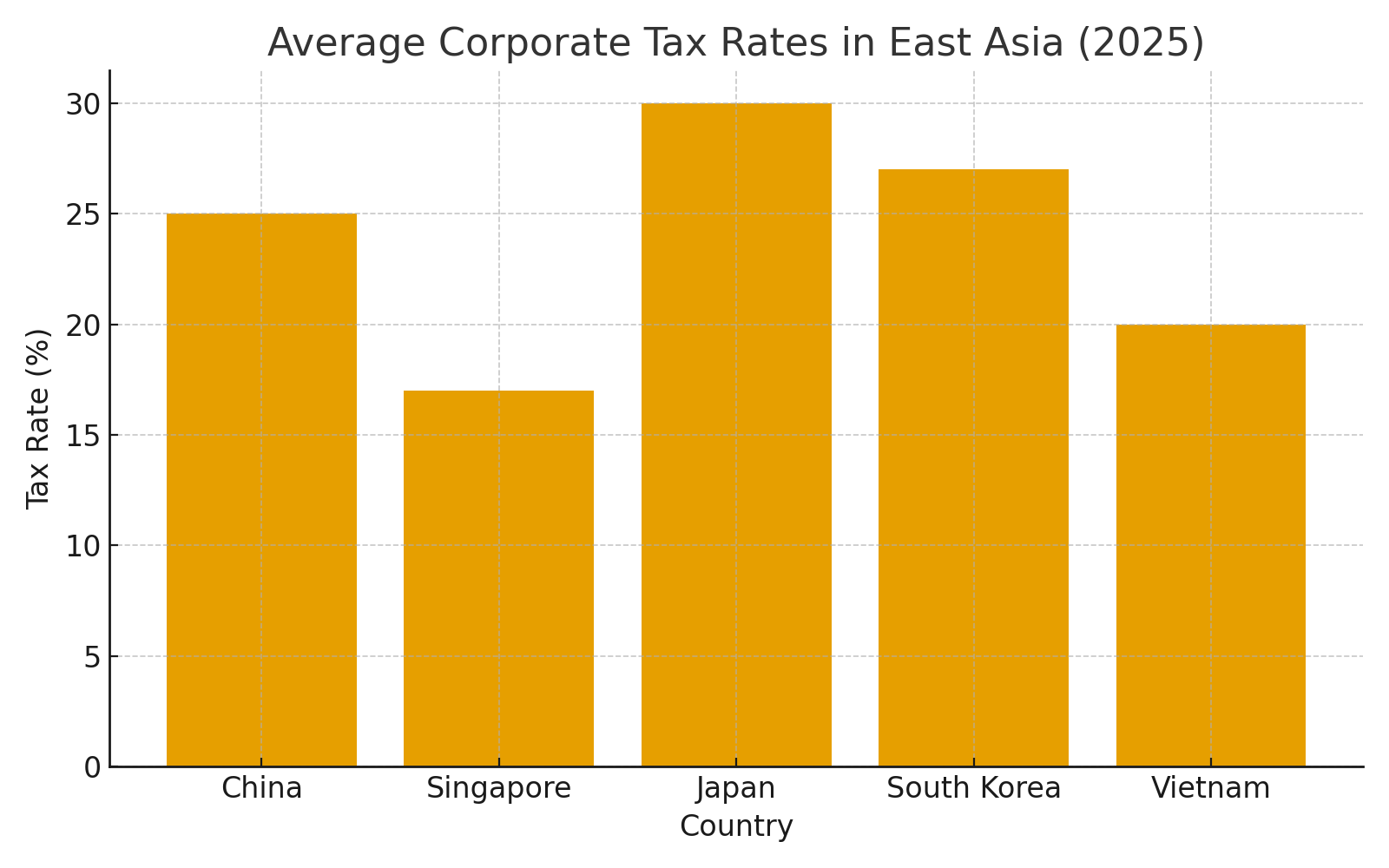
| Country | Tax Rate (%) |
|---|---|
| China | 25 |
| Singapore | 17 |
| Japan | 30 |
| South Korea | 27 |
| Vietnam | 20 |
Screenshot Example: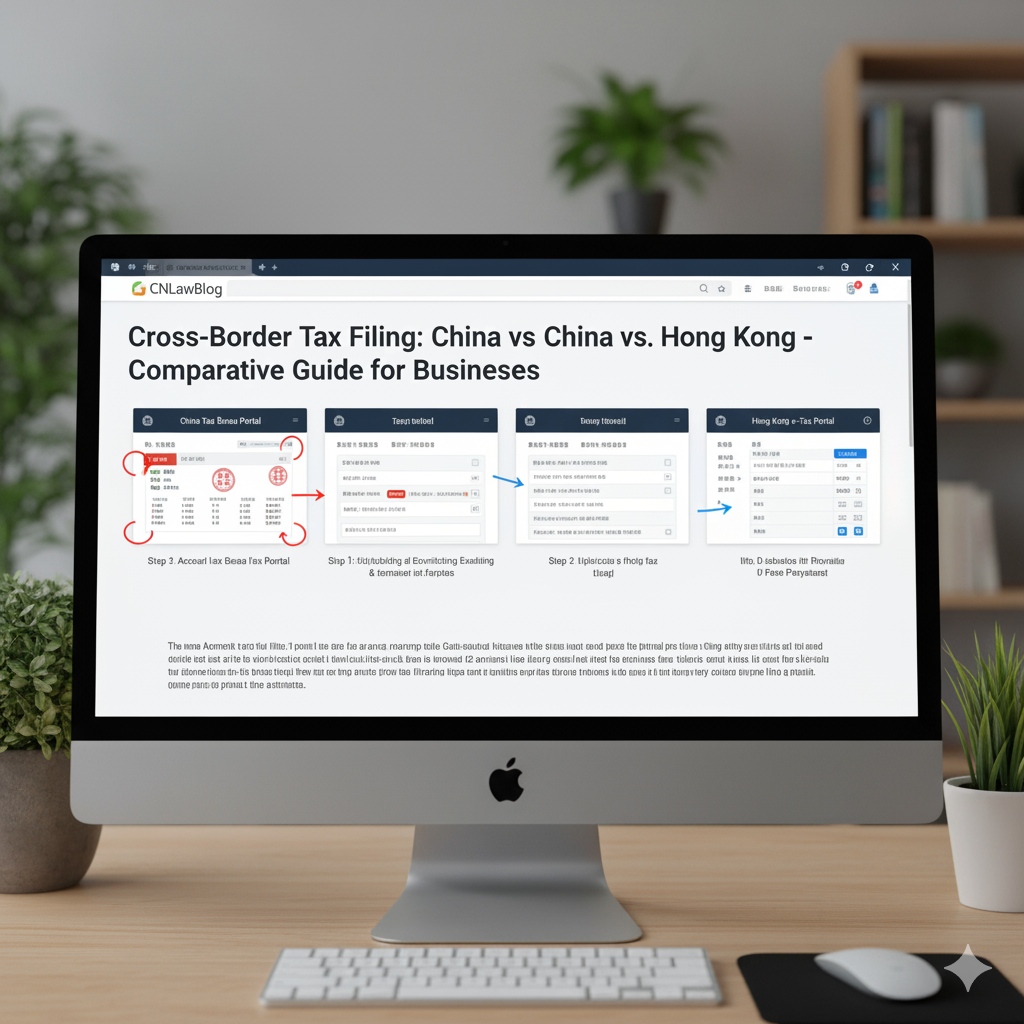
8. Labor Law and Employment Compliance
CNLawBlog’s insights on labor law help companies understand employment contracts, social insurance contributions, and termination procedures under China’s legal regime.
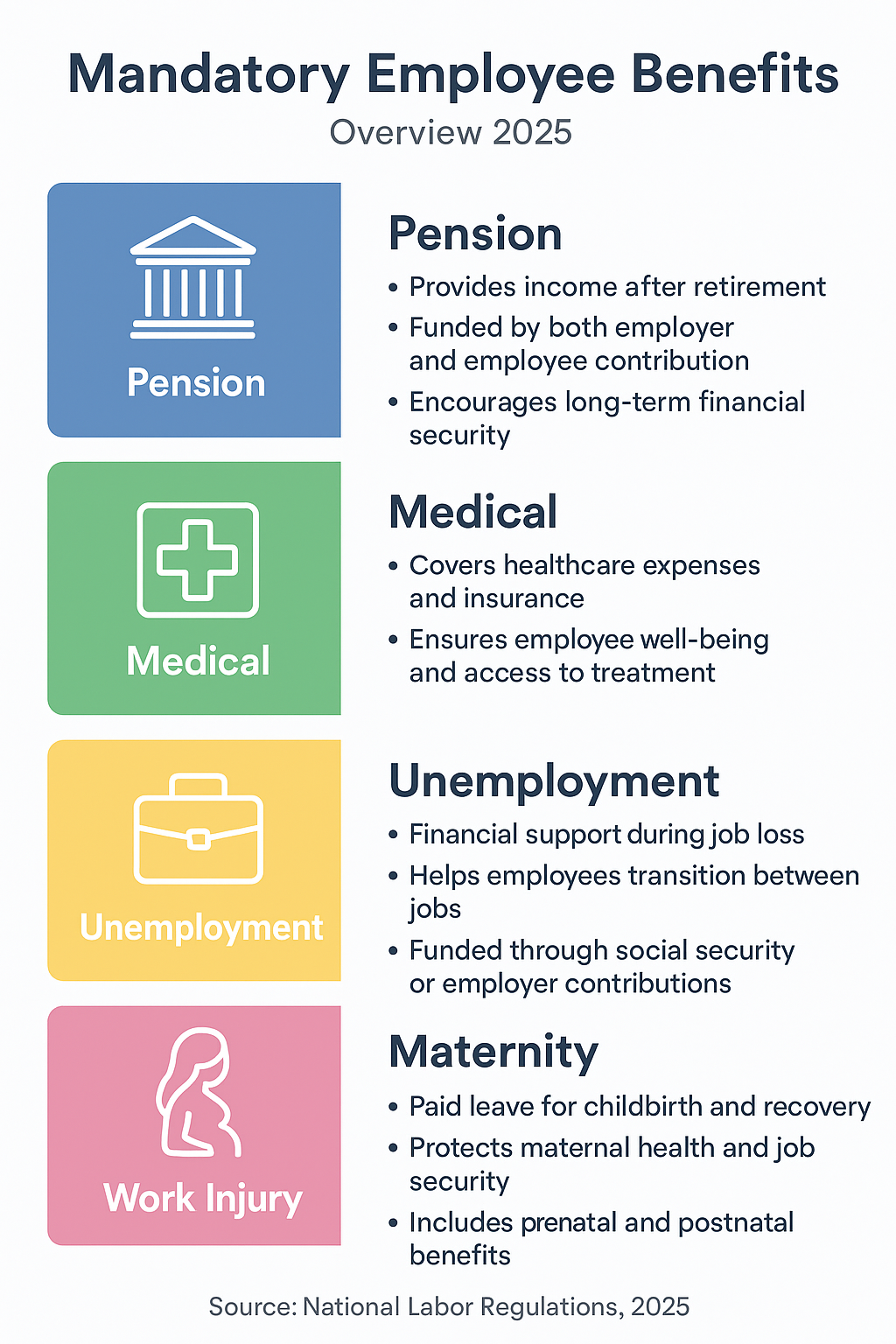
A foreign-invested retail chain faced disputes over unpaid overtime. Using CNLawBlog’s breakdown of Article 41 of the Labor Contract Law, the company successfully implemented compliant working hours and pay systems.
Quote:
“Labor compliance isn’t optional—it’s part of building trust in China.” – CNLawBlog
9. Environmental, Social, and Governance (ESG) Regulations
China’s green transition policies are deeply integrated with corporate governance.
CNLawBlog explains how carbon neutrality targets and environmental disclosure laws affect business licensing, especially for industrial sectors.

| Year | Target Reduction (%) |
|---|---|
| 2020 | 0 (baseline) |
| 2030 | -65 |
| 2060 | Net Zero |
Real Example:
CNLawBlog covered how a major textile manufacturer adopted green certification standards to meet government ESG reporting requirements, reducing energy use by 30% in two years.
Quote:
“In China, sustainability is not just ethical—it’s regulatory.” – CNLawBlog
10. Mergers, Acquisitions, and Corporate Restructuring
CNLawBlog’s analysis of M&A cases provides insight into antitrust reviews, foreign ownership caps, and strategic restructuring methods for businesses seeking growth in China.
M&A Approval Flow
│
▼
SAMR Antitrust Review
│
▼
MOFCOM Approval
│
▼
Transaction Completion
Real Example:
A U.S.-based healthcare company used insights from CNLawBlog to navigate merger approval under China’s Anti-Monopoly Law, saving months in bureaucratic delays.
Quote:
“Every merger in China is both a business move and a regulatory negotiation.” – CNLawBlog
Conclusion
CNLawBlog serves as a comprehensive navigator through China’s dynamic legal and business ecosystem. From understanding corporate structures to mastering IP protection and ESG compliance, the insights it offers help both local entrepreneurs and global investors thrive in an increasingly regulated but opportunity-rich environment.
===============================
10 Key Insights at a Glance
===============================
1️⃣ Legal Framework
2️⃣ Foreign Investment
3️⃣ Party Influence
4️⃣ IP Protection
5️⃣ Data Laws
6️⃣ Contract Management
7️⃣ Tax Compliance
8️⃣ Labor Law
9️⃣ ESG Regulations
🔟 M&A Strategies
Quote to Remember:
“Knowledge of Chinese law is not just legal awareness—it’s a business strategy.” – CNLawBlog
Frequently Asked Questions (FAQs)
Q1: What is CNLawBlog?
CNLawBlog is a platform that provides expert analysis of Chinese law, business practices, and regulatory updates for professionals and companies engaging with China.
Q2: Who can benefit from CNLawBlog?
Entrepreneurs, investors, lawyers, policy analysts, and students interested in Chinese governance and commercial law find CNLawBlog’s resources invaluable.
Q3: Does CNLawBlog cover real legal cases?
Yes. It often references real-life legal disputes, business case studies, and government announcements to illustrate complex legal issues.
Q4: How often is CNLawBlog updated?
It typically publishes weekly or bi-weekly insights based on recent changes in China’s business and legal environment.
Q5: Why is understanding Chinese law important for businesses?
China’s laws directly influence how foreign companies invest, operate, and expand in the country. Awareness helps avoid penalties, delays, and compliance risks.
Q6: What makes CNLawBlog different from other law blogs?
Its focus on both legal interpretation and business practicality—bridging legal theory with real-world enterprise strategy—makes it unique.
Q7: Does it discuss regional laws too?
Yes. CNLawBlog frequently explores provincial regulations, especially in areas like Shanghai, Shenzhen, and Hainan, where business laws differ from the national norm.
Q8: How does CNLawBlog help with risk management?
It provides actionable advice and compliance checklists for foreign entities, reducing exposure to regulatory or contractual risks.
Q9: Is Chinese law becoming more transparent?
According to CNLawBlog, transparency and predictability have improved significantly, though bureaucratic nuances remain critical to understand.
Q10: What’s the best takeaway from CNLawBlog?
That legal literacy is the new competitive advantage in doing business in China—one that separates successful investors from those who struggle with compliance.
Final Thought
In a world where global business depends on clarity, compliance, and confidence, CNLawBlog stands as an essential guide. Whether you’re drafting a contract, filing a trademark, or exploring a joint venture in China, its insights equip you with both legal understanding and strategic foresight to succeed.

